In This Article
Working at height is one of the most common types of workplace accidents and often results in the most severe consequences. One of the most fundamental precautions to be taken in such work is the use of a full-body safety harness. Properly selected and correctly used harnesses minimize the risk of falling and protect workers’ lives.
What Is a Full-Body Safety Harness?
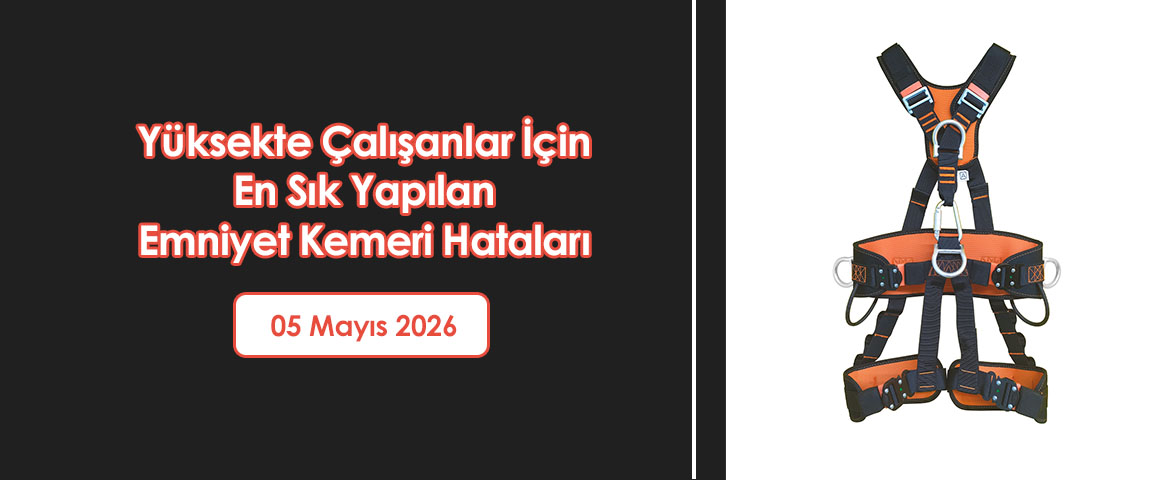
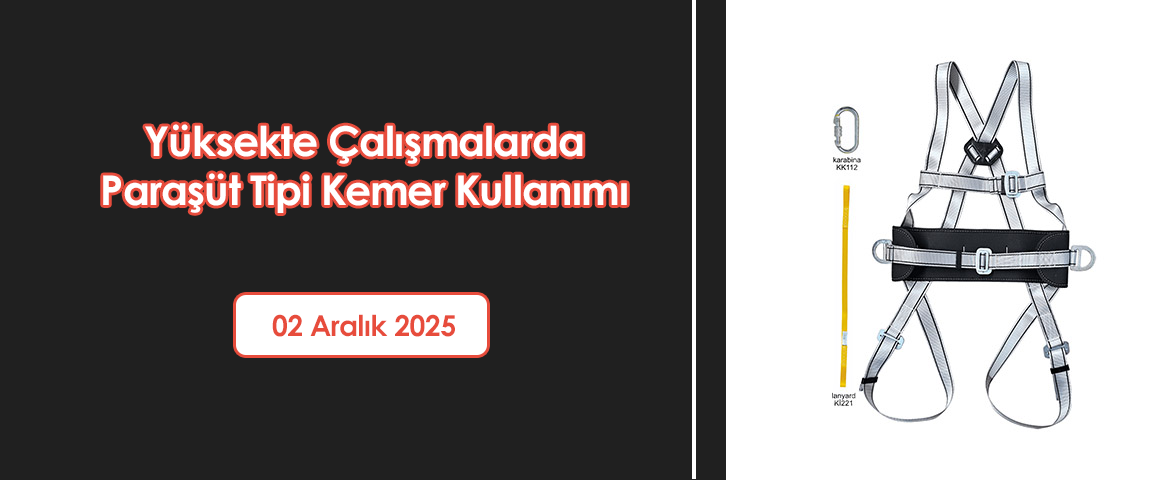
A full-body safety harness is the main piece of equipment in fall arrest systems, designed to securely hold the worker during a fall by supporting the body. Thanks to shoulder, waist, and leg attachment points, the load is evenly distributed across the body, helping to prevent serious injuries.
Why Is It Mandatory for Working at Height?
Full-body safety harnesses are vital safety equipment for working at height. Their main advantages include:
- Keeping the body in an upright and safe position during a fall
- Evenly distributing impact forces across the body
- Reducing the risk of loss of consciousness
- Ensuring secure attachment to the anchorage system
Thanks to these features, they play a critical role in preventing fatal accidents.
Where Are They Used?
Full-body safety harnesses are widely used in the following areas:
- Construction sites
- Scaffolding and platform work
- Roofing operations
- Energy and telecommunications sectors
- Industrial maintenance and installation activities
Their use is mandatory in all areas where there is a risk of falling from height.
How to Choose the Right Full-Body Harness?
Selecting the right harness is essential for safe working conditions. When choosing a harness, attention should be paid to:
- Compliance with the EN 361 standard
- CE certification
- An adjustable design suitable for body measurements
- The strength and reliability of D-ring attachment points
Inappropriate harnesses can compromise safety.
Proper Use and Adjustment
Correct adjustment of the full-body harness is just as important as wearing it properly:
- Shoulder and leg straps must fit snugly against the body
- They should not be too tight or too loose
- D-ring connections must be positioned correctly
Incorrectly adjusted harnesses can cause serious injuries during a fall.
Compatibility with Lanyard and Anchorage Systems
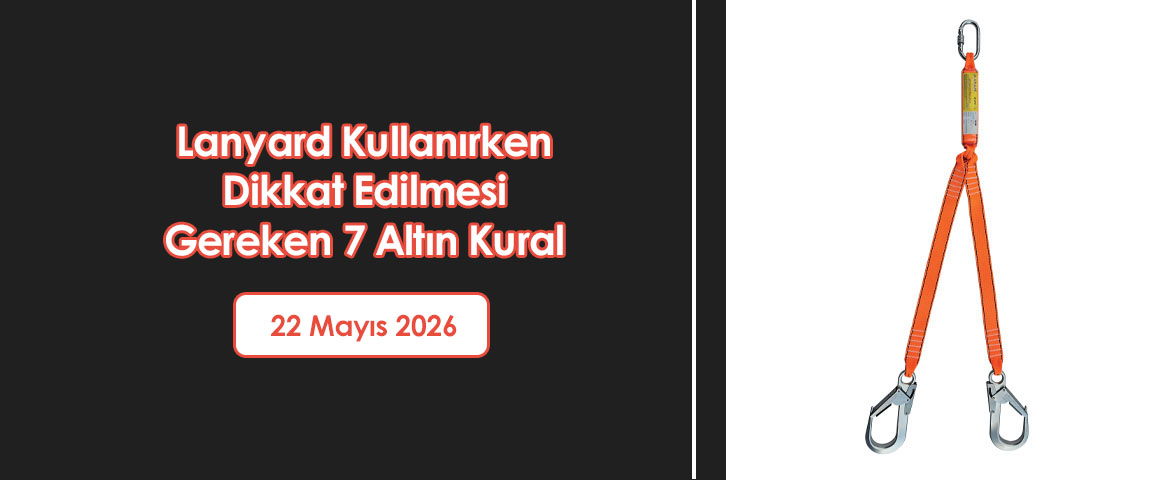
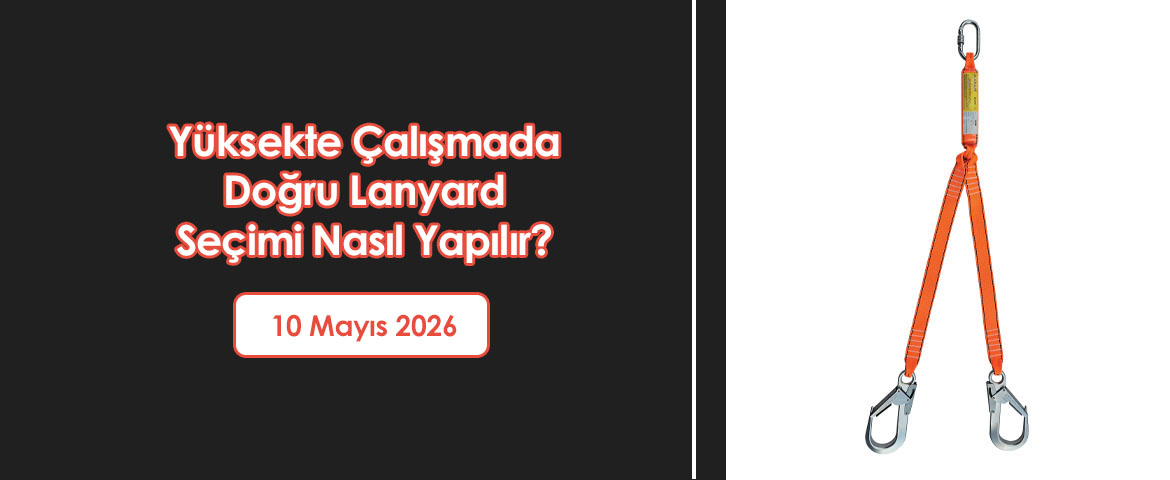
Full-body harnesses work in combination with lanyards and anchorage systems. Using an energy-absorbing lanyard reduces impact forces during a fall and enhances the effectiveness of the harness. All system components must be compatible with one another.
Periodic Inspection and Maintenance
Full-body safety harnesses must be inspected regularly:
- Wear or damage to stitching
- Fraying or deterioration of webbing
- Deformation of metal components
If any of these issues are detected, the harness should be removed from service.
Training and User Awareness
No matter how high-quality the equipment is, improper or uninformed use poses serious risks. Therefore, regular training on working at height and the use of full-body safety harnesses is mandatory for workers.
The use of full-body safety harnesses when working at height is one of the fundamental pillars of occupational safety. Through proper equipment selection, regular inspections, and informed use, most fall-related workplace accidents can be prevented. Occupational safety is not a choice—it is a necessity.
Let our team recommend the best equipment for your needs and quote you quickly.