In This Article
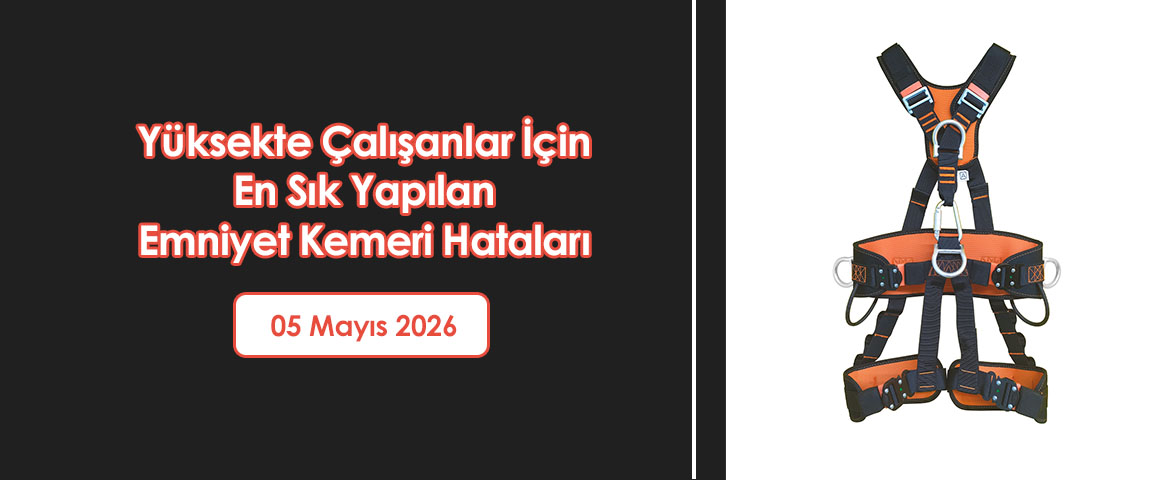
The Most Common Safety Harness Mistakes Made by Employees Working at Heights are among the leading causes of workplace accidents. Safety harnesses are vital protective equipment for personnel working in construction, energy, maintenance and repair, roofing, and industrial facilities. However, incorrect use of the right equipment not only fails to provide protection but can also cause serious injuries. For this reason, it is extremely important not only to wear a safety harness but also to use it correctly. As Karam Occupational Safety, in this article we discuss in detail the most common safety harness mistakes made by employees working at heights and the precautions that should be taken.
Choosing the Wrong Safety Harness
One of the most common mistakes is selecting a safety harness that is not suitable for the job being performed. Each work environment has a different level of risk. Roofing work, vertical lifeline applications, or confined space operations require equipment with different features.
Some employees focus only on price when making a selection, while some businesses use non-standard products. However, CE-certified safety harnesses that comply with standards and are specifically designed for the work environment should be preferred. Choosing the wrong product may cause the body to absorb the load unevenly during a fall, leading to serious trauma.
Wearing the Safety Harness Too Loose
A safety harness that does not fit the body properly is also a very common mistake. Leaving the shoulder, waist, and leg straps loose may cause the worker to be thrown around inside the harness during a fall.
When used correctly, a safety harness should fit securely without squeezing the body. Using it too loosely increases the impact of a fall, while excessive tightness reduces working comfort and causes discomfort. Therefore, harness adjustments should be checked before every use.
Incorrect Selection of Anchor Points
The safety provided by a harness depends not only on the harness itself but also on the anchor point to which it is attached. Weak or improperly positioned anchor points create serious risks.
Some employees attach their harnesses to pipes, railings, or areas that do not have sufficient load-bearing capacity. This may cause the connection point to fail during a fall. Anchor points must comply with international standards, be secure, and have the capacity to withstand fall loads.
Failure to Use Shock Absorbers
Working without a shock absorber creates significant danger. The sudden force generated during a fall can have fatal effects on the worker. Shock absorbers reduce this force and minimize the impact on the body.
Some workers disable the shock absorber to increase their range of movement or use improper connections. This results in serious occupational safety violations.
Neglecting Periodic Inspections
Since safety harnesses are continuously used equipment, they may wear out over time. Cuts, abrasion, seam deformation, or rust on metal parts may occur. Despite this, many businesses fail to carry out regular equipment inspections.
Periodic inspections should be performed by qualified experts. Equipment that has reached the end of its service life or has been damaged should never be used. Even small deformations in safety equipment can create major risks.
Lack of Training
A significant number of employees enter the field without receiving adequate training on safety harness use. When workers do not know how to wear the equipment, select anchor points, or use fall arrest systems, the risk of mistakes increases.
Working-at-height training is not only a legal requirement but also a life-saving practice. Employees’ awareness levels should be improved through regular training and practical drills.
Working with a Single Hook Connection
Especially in mobile work areas, it is common for employees to completely disconnect themselves while changing position. During this process, the worker remains completely unprotected for a short time.
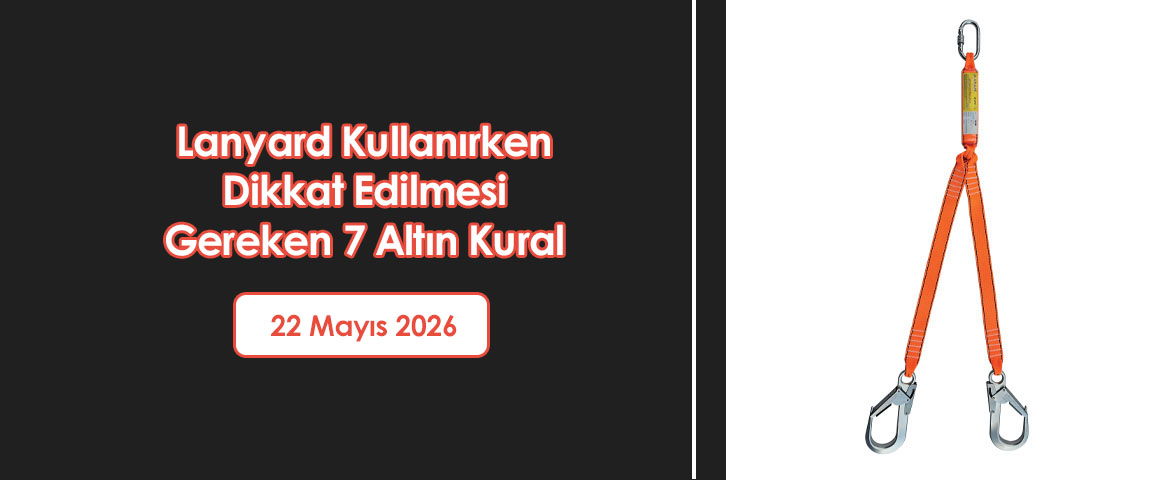
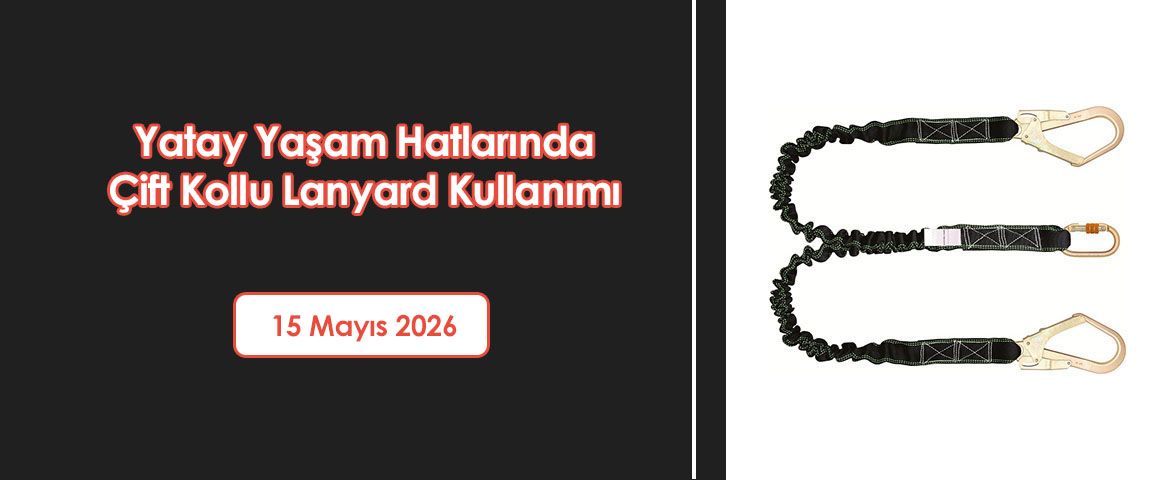
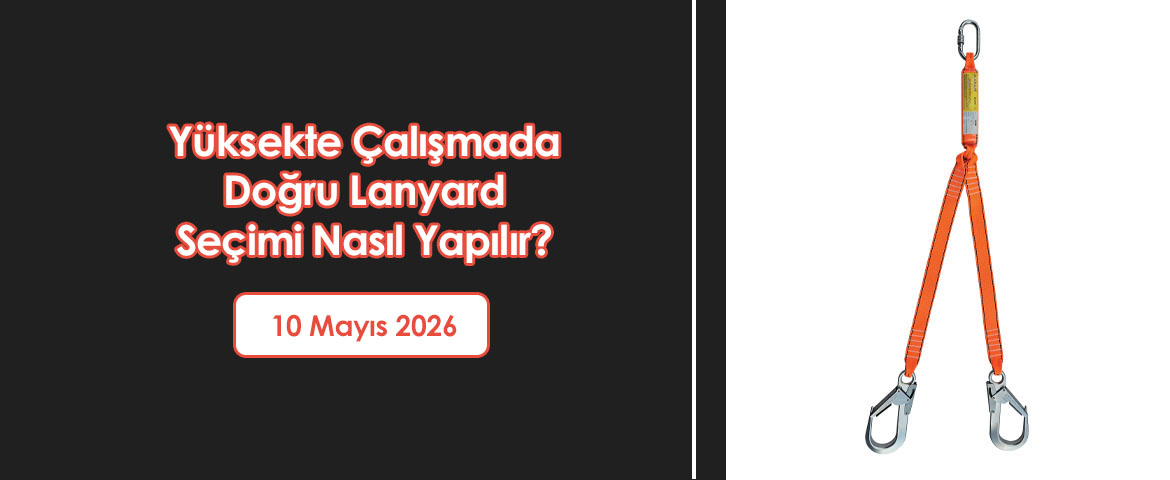
With double lanyard systems, one connection can remain active while the other is disconnected. This allows employees to continue working safely at all times. The principle of continuous connection is one of the fundamental rules of working at heights.
Working in Unsuitable Weather Conditions
Working at heights during windy, rainy, or icy weather conditions significantly increases risk levels. Slippery surfaces and reduced visibility increase the likelihood of falls.
Some businesses continue working under adverse weather conditions in order not to disrupt work schedules. However, from an occupational safety perspective, weather conditions must always be evaluated, and work should be postponed in risky situations.
Things to Consider When Using a Safety Harness
For safe work at heights, the following points should be considered:
- A safety harness suitable for the job must be used.
- All connection points should be checked.
- Shock absorber systems must remain active.
- Anchor points should comply with standards.
- Equipment should be inspected before every use.
- Employees should receive regular training.
- Damaged equipment must never be used.
Even small mistakes made while working at heights can lead to fatal consequences. Using a safety harness is not only about wearing equipment; it should also include proper product selection, correct connections, and regular inspection processes. Establishing a strong occupational safety culture both protects employees’ lives and helps businesses fulfill their legal responsibilities.
As Karam Occupational Safety, we provide high-quality, reliable, and standards-compliant solutions for working-at-height equipment. Choosing the right equipment and receiving professional support are crucial for ensuring maximum safety in work environments.
Let our team recommend the best equipment for your needs and quote you quickly.