
In This Article
Safety is of vital importance in jobs that require working at height. At this point, the two most commonly encountered types of equipment are lifelines and lanyards. However, these two concepts are often confused with each other. In fact, they have important differences in terms of purpose of use, structural features, and the type of protection they provide. In this article, we will discuss in detail the answer to the question “Lifeline or lanyard?”
What is a Lifeline?
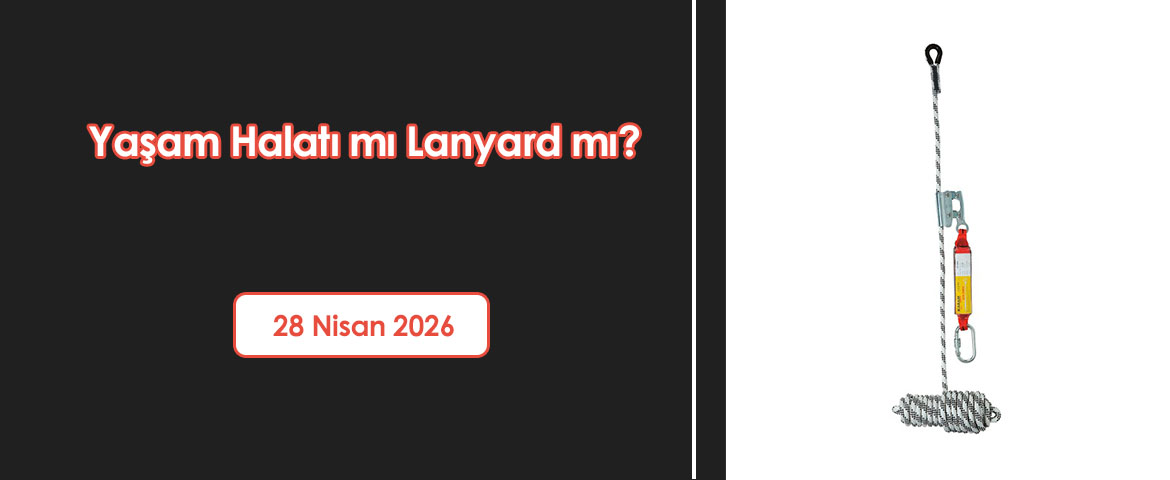
A lifeline is a safety line used to prevent falls or to safely arrest a fall for people working at height. It is usually installed as a fixed or horizontal/vertical line and can be used by more than one person.
Lifelines are made of steel cables, synthetic fibers, or special materials. These systems are generally fixed to certain points of structures, and workers remain safe while moving along this line. They are especially preferred for long-term and large-area work.
What is a Lanyard?
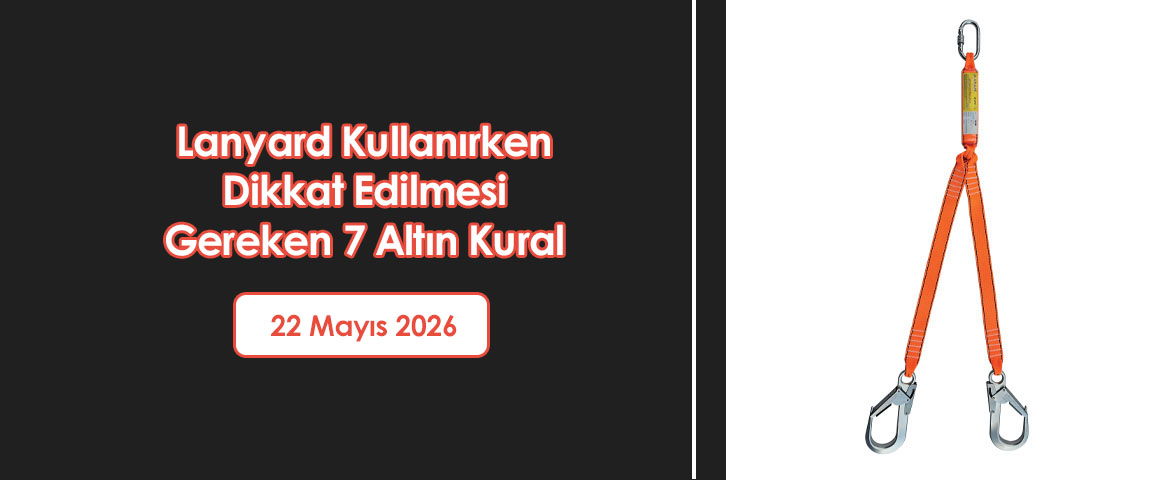
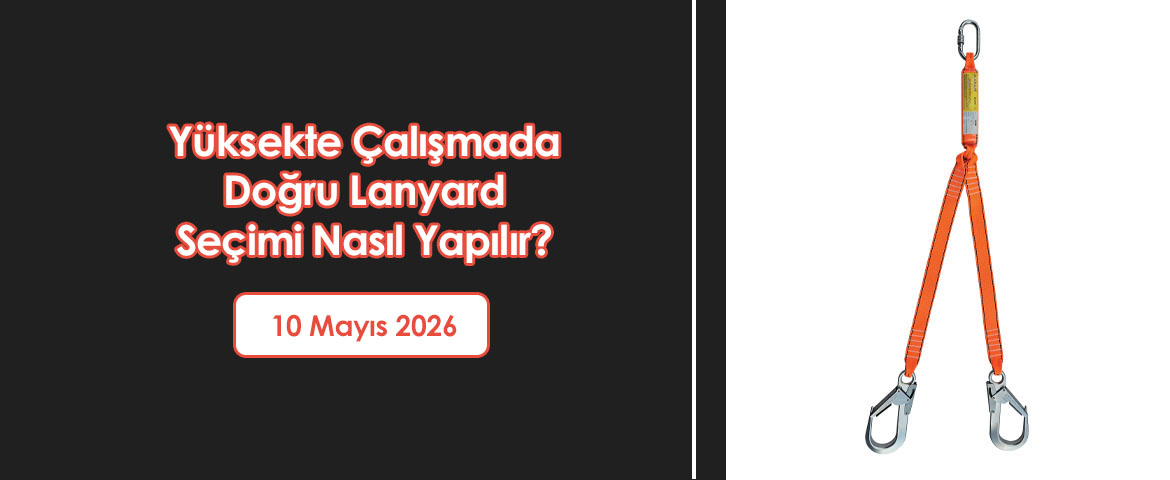
A lanyard is a component of a personal fall arrest system. It is a short connecting element, usually attached at one end to a safety harness and at the other end to a fixed anchorage point. Models with shock absorbers reduce the force generated during a fall and protect the user.
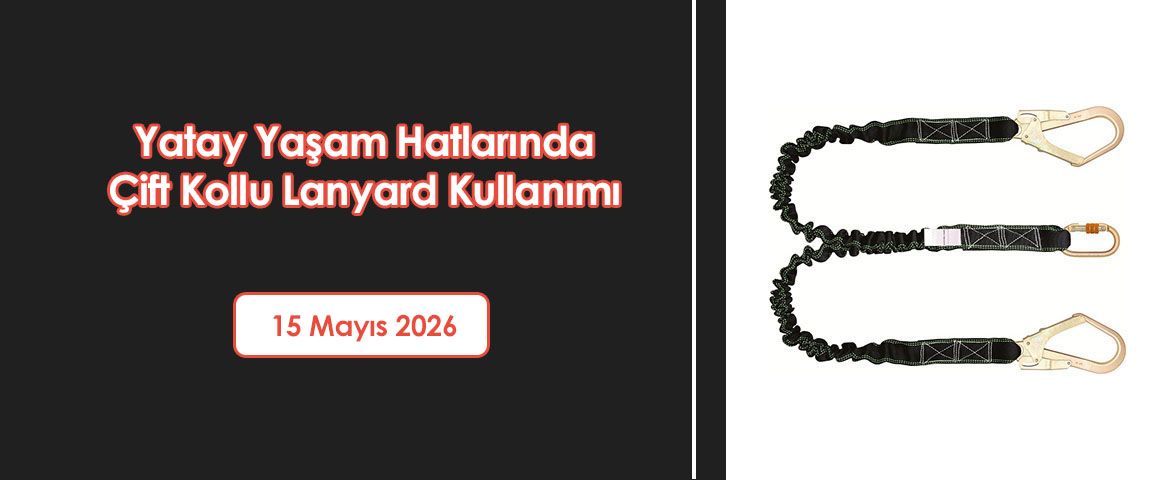
Lanyards are generally intended for single-user use and are considered personal safety equipment. They come in various types such as single-leg, double-leg, shock-absorbing, or adjustable.
What Are the Main Differences?
The main difference between a lifeline and a lanyard lies in their application and system approach. A lifeline is a system, while a lanyard is a part of this system or an independent connection equipment.
A lifeline enables movement along a fixed line, whereas a lanyard connects the user to that line or an anchorage point. In other words, the lifeline is a broader safety solution, while the lanyard is a more personal piece of equipment.
Additionally, lifelines can be used by multiple people, while lanyards are designed for individual use. This makes them preferable in different scenarios.
Which One Should Be Used in Which Situation?
If the work involves a large area and requires continuous movement, a lifeline system should be preferred. Examples include roof work, bridge maintenance, or façade work on high-rise buildings.
On the other hand, for short-term tasks performed at a fixed point, a lanyard is a more suitable choice. Especially if the anchorage point is fixed and movement is limited, a lanyard may be sufficient.
The highest level of safety is usually achieved by using both systems together. In other words, the worker is connected to a lifeline while also being supported by an appropriate lanyard.
Safety Considerations
Both types of equipment must be selected correctly and comply with standards. Products with CE certification and relevant occupational safety standards should be preferred. Regular maintenance and inspection are also critical to preventing potential risks.
User training is just as important as the equipment itself. An improperly used lifeline or lanyard may not provide the expected protection. Therefore, workers must be well-informed about proper usage.
Finally, equipment should be selected according to the working environment. Each job site has different risks, and equipment should be chosen accordingly.
Let our team recommend the best equipment for your needs and quote you quickly.