In This Article
In industries that require working at height, employee safety is directly related to the correct use of equipment. Lanyards, which are one of the most important components of fall protection systems, play a critical role in preventing potential accidents. However, the same lanyard is not suitable for every work environment. The correct product must be selected based on the nature of the job, the working environment, and the level of risk. As Karam Occupational Safety, in this article we take a detailed look at how to choose the right lanyard for working at height.
What Is a Lanyard and Why Is It Important?
A lanyard is a personal protective equipment that connects the worker to the anchor point. It acts as a fundamental part of a fall arrest system. In the event of a fall, it safely holds the worker and prevents serious injuries.
A correctly selected lanyard:
- Reduces fall risk,
- Increases work safety,
- Provides mobility,
- Ensures compliance with occupational safety standards.
Incorrect use may render the system ineffective and lead to serious workplace accidents.
Risk Analysis of the Work Area Must Be Performed
The first step in selecting the right lanyard is analyzing the work environment. Each sector and working area has a different level of risk.
For example:
- Construction sites require a wide range of movement,
- The energy sector requires attention to electrical conductivity risks,
- Steel rope models are preferred in areas with sharp surfaces.
Therefore, the following factors must be evaluated:
- Working height,
- Working position,
- Movement range,
- Potential fall distance,
- Environmental risks.
Equipment that is not suitable for the risk analysis can seriously endanger worker safety.
Choose Shock-Absorbing Lanyards
One of the most commonly preferred types in working at heights is shock-absorbing lanyards. These systems reduce the load on the body by absorbing the sudden force generated during a fall.
Advantages of shock-absorbing lanyards:
- Reduces impact force,
- Helps prevent spinal and internal injuries,
- Reduces the load on the anchor point,
- Provides a safer fall arrest system.
Especially in high-risk working environments, the use of shock-absorbing systems is essential.
Single Leg or Double Leg?
Another important consideration in lanyard selection is whether the product is single-leg or double-leg.
Single-Leg Lanyard
These have one connection point and are generally used in fixed working areas where movement is limited.
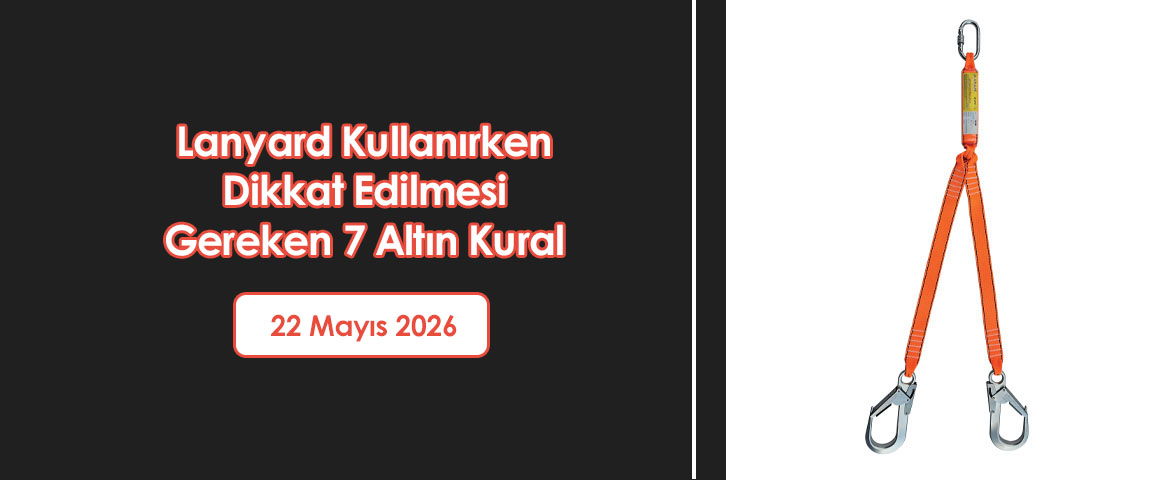
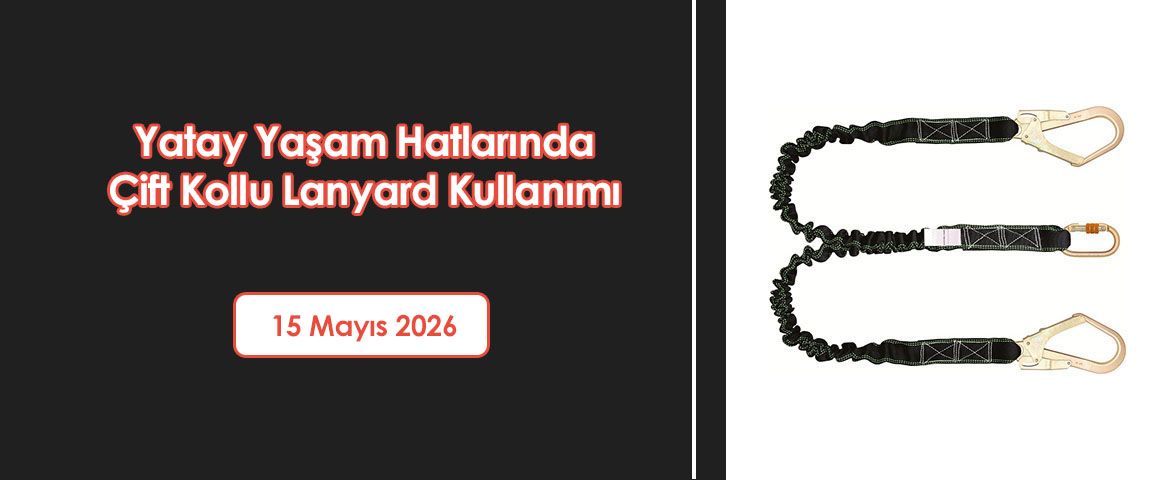
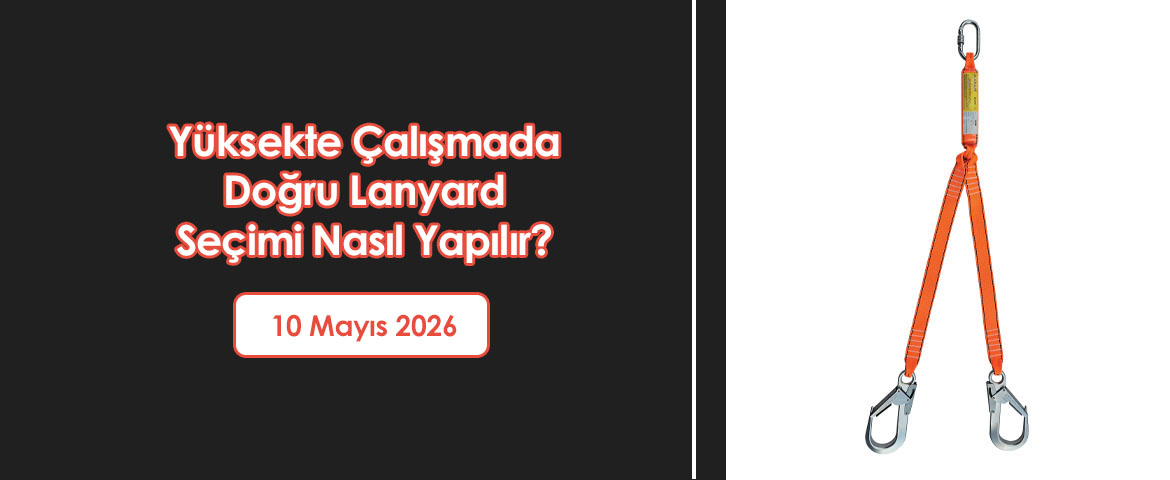
Double-Leg Lanyard
These allow the worker to move without disconnecting from the system. While one connection is being changed, the other leg remains secure. They are especially useful for:
- Scaffolding work,
- Pole climbing,
- Platform transitions.
Double-leg systems are safer for tasks requiring continuous movement.
Lanyard Length Must Be Determined Correctly
The length of the lanyard is critical for safety. Excessively long products may increase fall distance and collision risk.
When selecting the correct length, consider:
- Working height,
- Clearance distance below,
- Anchor point position.
Shorter and more compact systems increase safety in low-distance working environments.
Pay Attention to Material Quality
The material of the lanyard must be suitable for the working environment, as different conditions directly affect durability.
Common materials include:
- Polyester webbing,
- Polyamide rope,
- Steel rope systems
Depending on the environment:
- Steel rope should be used for sharp edges,
- Coated durable materials for chemical exposure,
- UV-resistant products for outdoor use.
Low-quality or non-standard products create serious safety risks.
Certified Products Are Mandatory
All working-at-height equipment must comply with international safety standards. The selected lanyard must have the required certifications.
Important certifications include:
- CE Certification,
- EN standards,
- Manufacturer quality certificates
Non-certified products pose both safety and legal risks.
As Karam Occupational Safety, we provide solutions that comply with international safety standards across all our products.
Regular Inspection and Maintenance Must Not Be Neglected
Proper selection is not enough; regular maintenance is also essential. Wear and tear during use may reduce equipment performance.
Things to check include:
- Stitching deformation,
- Carabiner damage,
- Rope abrasion,
- Shock absorber deformation
Lanyards that have been involved in a fall must never be reused. Equipment should also be inspected periodically by qualified personnel.
The answer to How to Choose the Right Lanyard for Working at Heights lies in proper risk analysis and selecting the correct equipment for the work environment. Shock-absorbing systems, correct length, high-quality materials, and certified products significantly improve worker safety.
As Karam Occupational Safety, we provide high-quality, reliable, and standards-compliant solutions for working-at-height equipment. Do not forget to seek professional support when selecting the right lanyard to avoid compromising safety.
Let our team recommend the best equipment for your needs and quote you quickly.