In This Article
In industries that require working at height, worker safety is directly related to the quality of equipment used and proper usage methods. In construction, energy, maintenance and repair, telecommunications, and industrial facilities, choosing the right safety harness is of critical importance. One of the most frequently asked questions in this context is: “Full Body Harness or Waist Belt Harness?” Although both types of equipment serve different purposes, an incorrect choice can lead to serious workplace accidents. As Karam Occupational Safety, in this article we examine in detail the differences between full body harnesses and waist belt harnesses, their usage areas, and the correct selection criteria.
What Is a Full Body Harness?
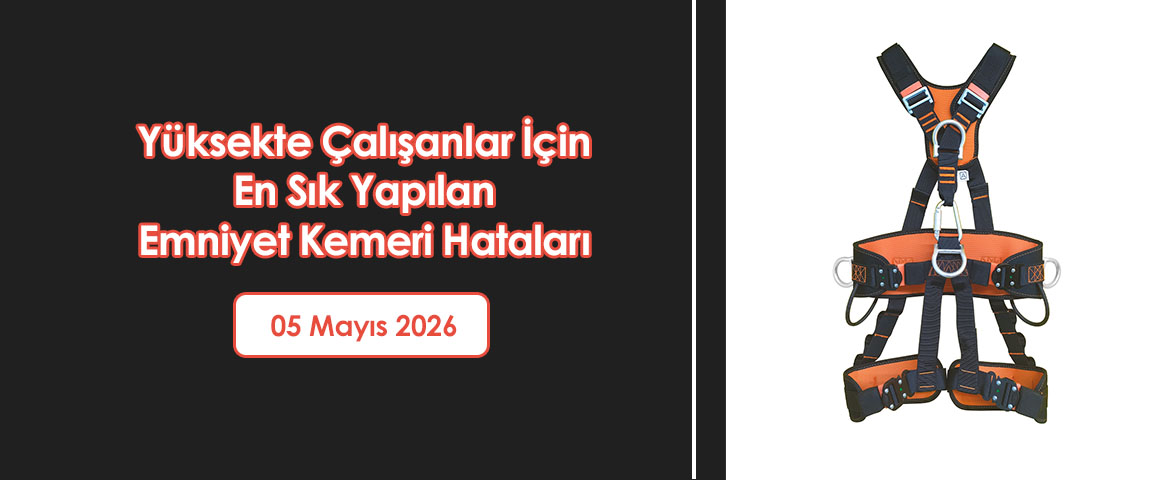
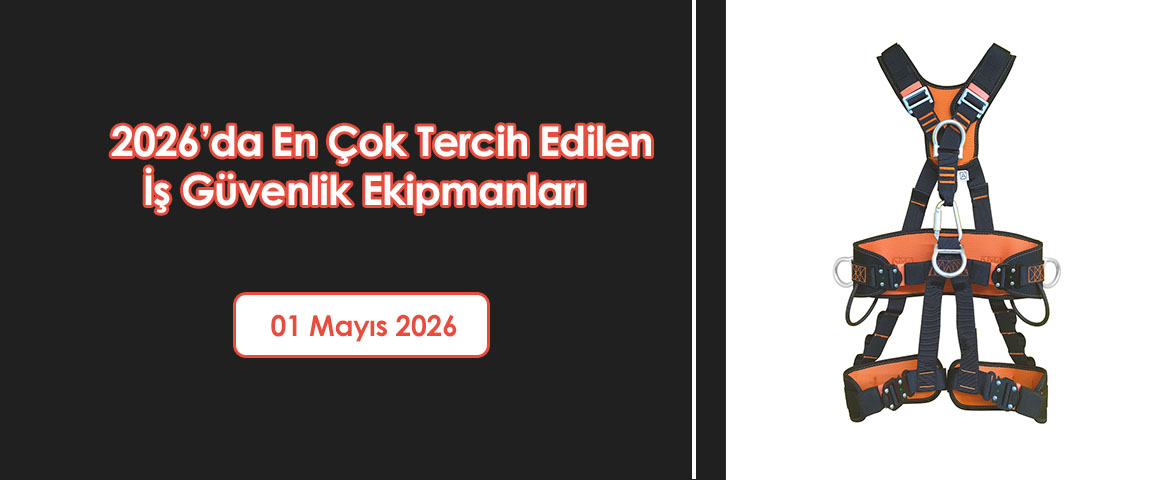
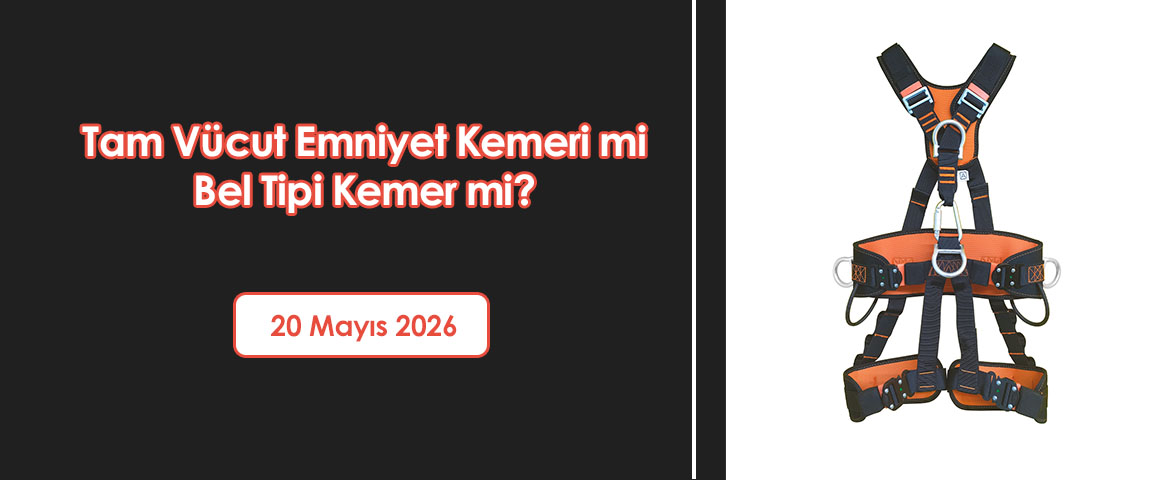
A full body harness is a professional fall arrest equipment that covers the worker’s shoulders, chest, waist, and legs. It is used in areas with a risk of falling from height and helps distribute the force of a fall evenly across the body, reducing the risk of serious injury.
These systems are typically used together with lifelines, shock-absorbing lanyards, and connecting equipment. Full body harnesses are mandatory safety equipment in high platforms, roofing work, scaffolding, and the energy sector.
The biggest advantage of full body harnesses is that they keep the worker safely suspended after a fall. This plays a critical role in preventing spinal and internal organ injuries.
What Is a Waist Belt Harness?
A waist belt harness is mainly used as a positioning device. It allows the worker to be secured at a specific point and keeps their hands free. It is commonly preferred in applications such as utility pole work, telecommunications infrastructure, and maintenance operations.
However, the primary purpose of waist belt harnesses is not fall arrest. Therefore, using them alone in areas with a fall risk is not considered safe. In the event of a fall, all force is concentrated on the waist area, which can cause serious internal injuries.
Waist belt harnesses should be considered auxiliary equipment. If there is a fall risk in the working environment, they must be used together with a full body harness system.
Differences Between Full Body Harness and Waist Belt Harness
The main difference between the two equipment types is their purpose and level of protection. A full body harness is the main component of a fall arrest system, while a waist belt harness is a support device for work positioning.
Full body harnesses:
- Have shoulder and leg attachments.
- Distribute fall force across the entire body.
- Provide protection against falls from height.
- Are often mandatory under safety regulations.
Waist belt harnesses:
- Only wrap around the waist.
- Help secure the worker in place.
- Do not provide fall protection on their own.
- Have more limited usage areas.
Therefore, a proper risk assessment of the working environment must be carried out, and equipment selection should be made accordingly.
When Should a Full Body Harness Be Used?
If the working height poses a serious risk of injury, a full body harness should be preferred. Especially in:
- Construction sites
- Roofing work
- Scaffolding operations
- Crane platforms
- Industrial maintenance areas
- Wind turbine applications
- Power transmission lines
full body harness use is of great importance.
In addition, according to occupational safety regulations, full body harness use has become mandatory in many sectors. For this reason, companies must prioritize employee safety over cost considerations.
When Is a Waist Belt Harness Used?
Waist belt harnesses are generally used in situations where the fall risk is minimal but the worker needs to remain positioned. For example:
- Working on poles
- Routine maintenance tasks
- Positioning-required applications
- Short-term securing needs
In such cases, they help the worker maintain balance. However, they should not be considered fall protection equipment on their own.
How to Choose the Right Safety Harness
To choose the correct equipment, a risk assessment of the working area must first be performed. Working height, movement range, anchor points, and duration of work all influence the selection.
Key criteria when selecting a safety harness include:
- Compliance with CE and EN standards
- Adjustable ergonomic structure
- Durable connection points
- Design suitable for the intended use
- Ability to undergo regular inspections
In addition, employee training on equipment usage is just as important as equipment quality. A poorly worn harness cannot provide sufficient protection even if it is a high-quality product.
Safe Working Solutions with Karam Occupational Safety
As Karam Occupational Safety, we provide professional solutions that prioritize worker safety. We offer reliable product options to businesses in terms of quality, durability, and compliance with international standards in working-at-height equipment.
From full body harnesses to waist belt harnesses, from lifeline systems to connecting equipment, we deliver professional solutions tailored to the needs of different industries.
It should be remembered that the correct safety equipment is not only a legal requirement but also a critical investment in protecting human life. By selecting the right equipment for your work environment, you can prevent workplace accidents and create a safer working environment.
Let our team recommend the best equipment for your needs and quote you quickly.