In This Article
In industries that require working at height, worker safety is directly related to the quality of the equipment used and the correct application methods. Horizontal lifeline systems, especially used in construction, energy, maintenance and repair, industrial facilities, and roofing applications, are among the most important equipment that ensures safe movement for workers. Double-leg lanyards used in these systems play a critical role in minimizing fall risks by providing continuous connection. As Karam Occupational Safety, in this article we take a detailed look at the importance, advantages, and correct usage methods of double-leg lanyards in horizontal lifeline systems.
What Is a Horizontal Lifeline?
A horizontal lifeline is a fall arrest system that enables workers to move safely at height. Typically installed using steel cables, rail systems, or special anchor points, these systems help workers move safely along a defined path.
Horizontal lifelines provide significant advantages in large work areas. They are commonly used in roofing applications, bridge work, power plants, warehouses, and factory roofs. The safety of these systems largely depends on the correct selection of connecting equipment.
What Is a Double-Leg Lanyard?
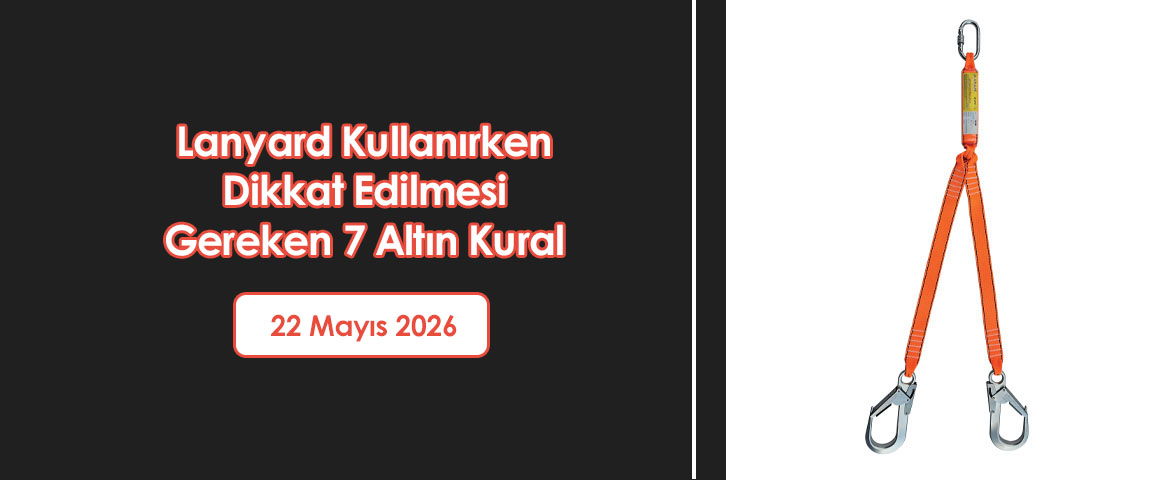
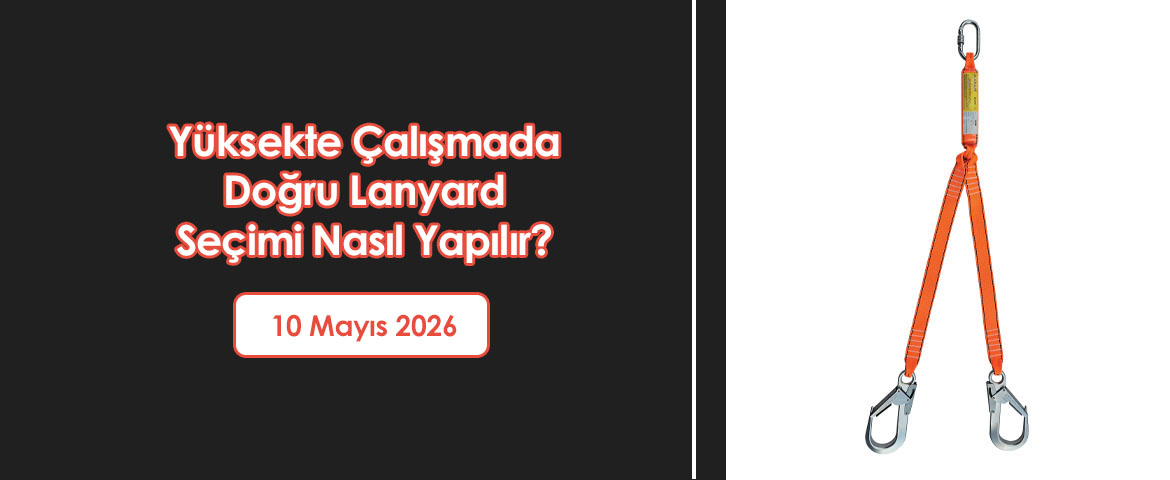
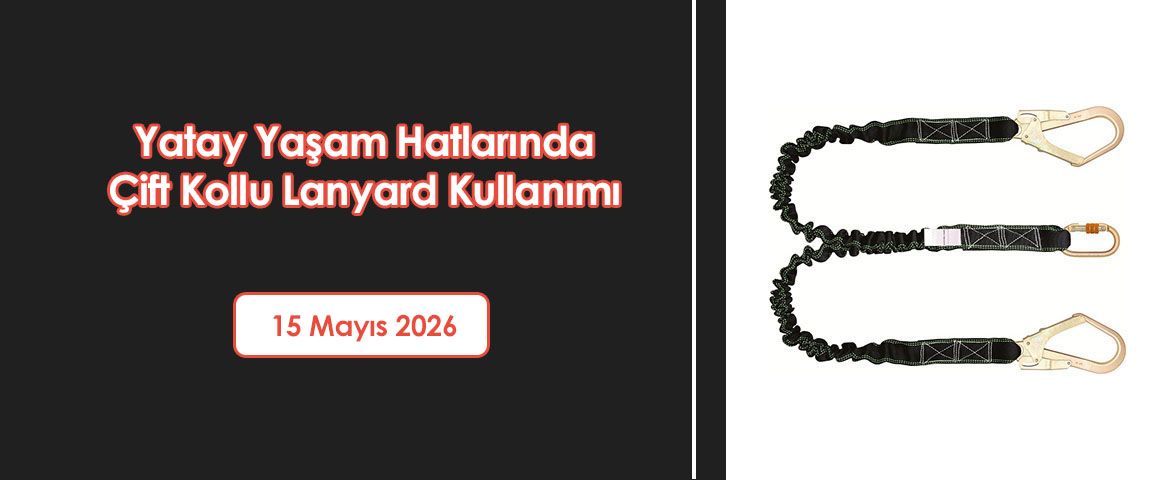
A double-leg lanyard is a personal fall arrest equipment that ensures workers remain continuously connected to the lifeline. With two separate connection arms, it prevents the worker from becoming unprotected during anchor transitions.
In standard single-leg lanyards, workers may be briefly unprotected while changing connection points. However, in double-leg models, while one connection is detached, the other leg continues to provide safety. This feature is especially critical during horizontal lifeline transitions.
As of 2026, ergonomic, lightweight, and high-strength double-leg lanyard models are widely used in the occupational safety industry.
Advantages of Double-Leg Lanyards
Provides Continuous Safety
The most important advantage of double-leg lanyard systems is that they keep workers continuously connected to the lifeline. This significantly increases safety levels, especially in high-risk environments.
Since one connection remains active while the other is being changed, the risk of falling is reduced to a minimum. This method is one of the safest working practices recommended by international occupational safety standards.
Increases Mobility
Workers in horizontal lifeline systems need continuous movement. Double-leg lanyards help employees move more comfortably and in a controlled manner.
Thanks to modern flexible designs, workers experience less strain during movement. This increases both productivity and comfort.
Reduces Impact Force in a Fall
Next-generation double-leg lanyards include shock-absorbing mechanisms. In the event of a fall, these systems reduce impact force and minimize stress on the body.
This feature plays a crucial role in protecting workers from serious injuries, especially in high-risk environments.
How Should Horizontal Lifeline Systems Be Used Correctly?
In addition to selecting the right equipment, correct usage is equally important in double-leg lanyard systems. Incorrect connections or improper use can lead to serious accidents.
Proper Anchor Points Must Be Used
Lanyard connections must always be attached to certified and load-bearing anchor points. Weak anchor points may create serious risks during a fall.
Equipment Must Be Inspected Regularly
Before use, the lanyard must be checked for wear, deformation, cuts, or connection issues.
Additionally, carabiners must be properly locked, and connection systems should be tested regularly.
Must Be Used by Trained Personnel
Horizontal lifeline systems should only be used by trained personnel. Proper training significantly reduces potential risks.
As Karam Occupational Safety, we provide professional guidance and product support regarding the correct use of occupational safety equipment.
In Which Sectors Is It Used?
Double-leg lanyard systems are widely used in many industries, especially in:
- Construction
- Power plants
- Telecommunications works
- Roof maintenance and installation
- Industrial facilities
- Bridge and viaduct projects
- Warehouse and factory roof operations
They are preferred to ensure high levels of safety in these environments.
What to Consider When Choosing a Double-Leg Lanyard
Choosing the right product is crucial for worker safety. When purchasing a double-leg lanyard, the following criteria should be considered:
- EN and CE certification
- Shock absorber system
- Durable carabiners
- Appropriate length for the application
- Wear-resistant materials
- Ergonomic and lightweight design
Using high-quality products improves both worker safety and equipment lifespan.
Importance of Professional Equipment in Occupational Safety
Most workplace accidents during working at height occur due to improper equipment use or insufficient safety measures. Therefore, the use of professional and certified equipment is vital.
As Karam Occupational Safety, we provide high-quality, durable, and internationally compliant solutions for working-at-height equipment. Our products help businesses create safer working environments by prioritizing worker safety.
The use of double-leg lanyards in horizontal lifeline systems is one of the most important safety measures for workers at height. Their continuous connection capability, fall risk reduction, and support for mobility make them widely used across many industries.
With the right equipment selection, regular inspections, and trained usage, most workplace accidents can be prevented. As Karam Occupational Safety, we continue to support businesses in creating safer workplaces through our professional occupational safety solutions.
Let our team recommend the best equipment for your needs and quote you quickly.