In This Article
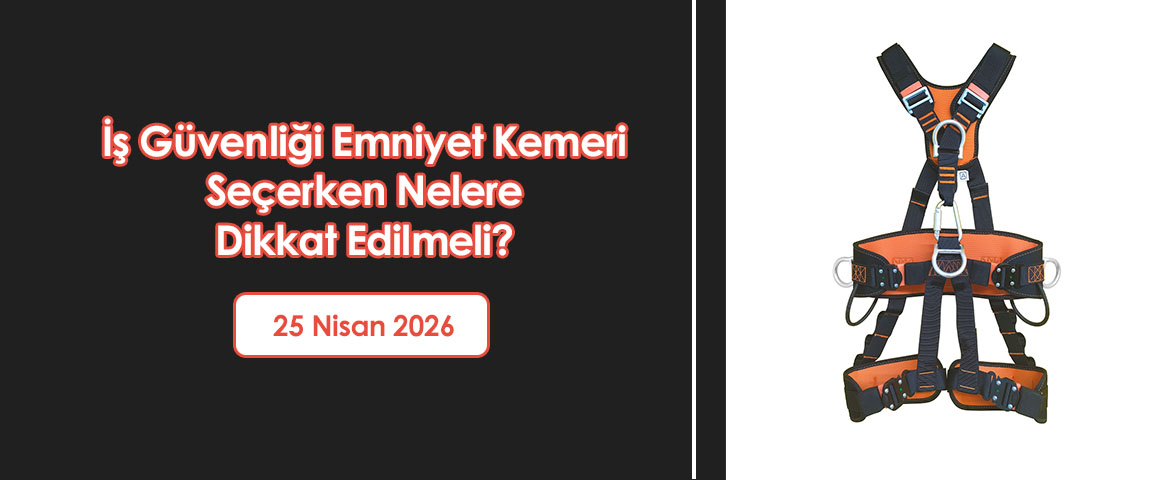
In jobs that require working at height, worker safety is directly related to the correct selection of equipment. At the forefront of this equipment are safety harnesses. An incorrectly selected safety harness can lead to serious injuries or even fatal accidents. Therefore, when choosing a safety harness, not only price or brand but also many technical and ergonomic criteria should be taken into consideration.
Suitability for Intended Use
When selecting a safety harness, the intended use must first be clearly defined. Each work environment involves different risks, and there are harness types suitable for these risks. For example, harnesses used for fall arrest systems have different features compared to those used for positioning purposes. Full-body harnesses are preferred for workers on high buildings, while different models may be sufficient in lower-risk environments.
Standards and Certifications
The most important way to determine whether a safety harness is reliable is by its certifications. EN standards that comply with European norms (such as EN 361) are an important reference. Non-certified products may appear durable but can pose serious safety risks. Therefore, compliance with standards must be checked during the purchasing process.
Material Quality
The material used in the production of a safety harness is crucial for durability and long-term use. Harnesses made of polyester or nylon are generally preferred. These materials provide high strength and resistance to external factors. Additionally, metal connection points should be made of stainless steel or similar durable alloys.
Ergonomics and Comfort
In long-term work, comfort is just as important as safety. An uncomfortable harness can restrict movement and reduce productivity. Soft and adjustable shoulder, waist, and leg supports provide a significant advantage during use. A harness that fits the body properly increases both safety and comfort.
Adjustability and Fit
Each worker has a different body structure. Therefore, having an adjustable harness is a major advantage. Harnesses that can adapt to different sizes are both safer and more practical. Adjustable buckles ensure a proper fit and provide maximum protection in case of a fall.
Attachment Points and Hardware
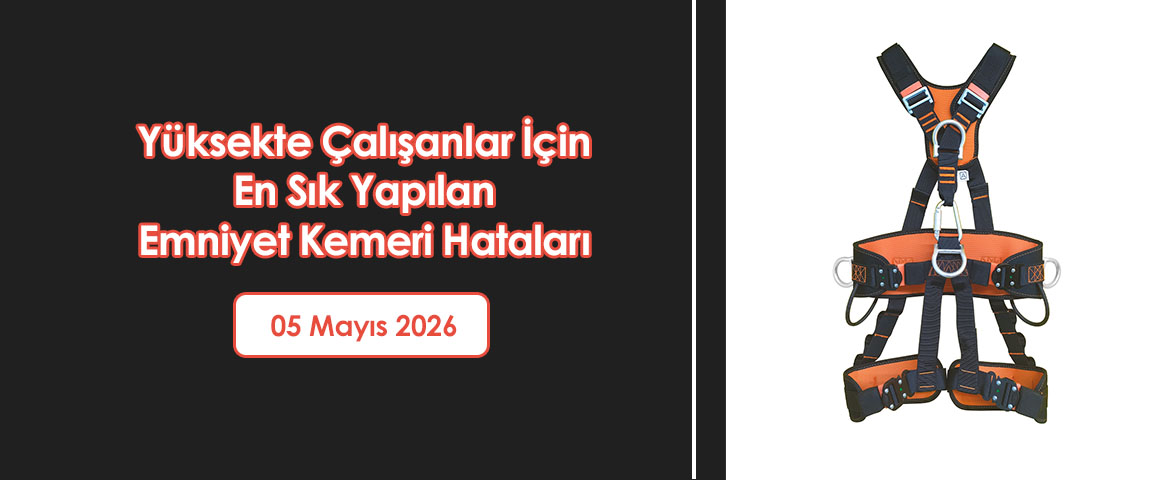
Attachment points (such as D-rings) on safety harnesses vary depending on their intended use. Back, chest, or side attachment points work with different systems. Therefore, the selected harness must be compatible with other equipment (lanyards, carabiners, etc.). The strength and reliability of these attachment points are critically important.
Maintenance and Periodic Inspection
Safety harnesses are equipment that must be regularly inspected. Visual checks before and after use help detect potential damage early. Worn, cut, or deformed harnesses should never be used. Additionally, manufacturer-recommended maintenance and usage instructions must be followed.
Training and Proper Use
Even the highest-quality safety harness will not provide protection if used incorrectly. Therefore, workers must be trained on how to use the equipment properly. Being knowledgeable about correct wearing, adjustment, and connection methods plays a critical role in preventing workplace accidents.
Let our team recommend the best equipment for your needs and quote you quickly.