In This Article
Ensuring safety in working at height and hazardous areas begins with choosing the right personal protective equipment (PPE). Among these, the lanyard is one of the most critical components of fall arrest systems. An incorrect lanyard selection can lead to serious workplace accidents, even when the highest-quality safety harnesses and anchorage systems are used. So, why is choosing the right lanyard so important?
What Is a Lanyard and What Does It Do?
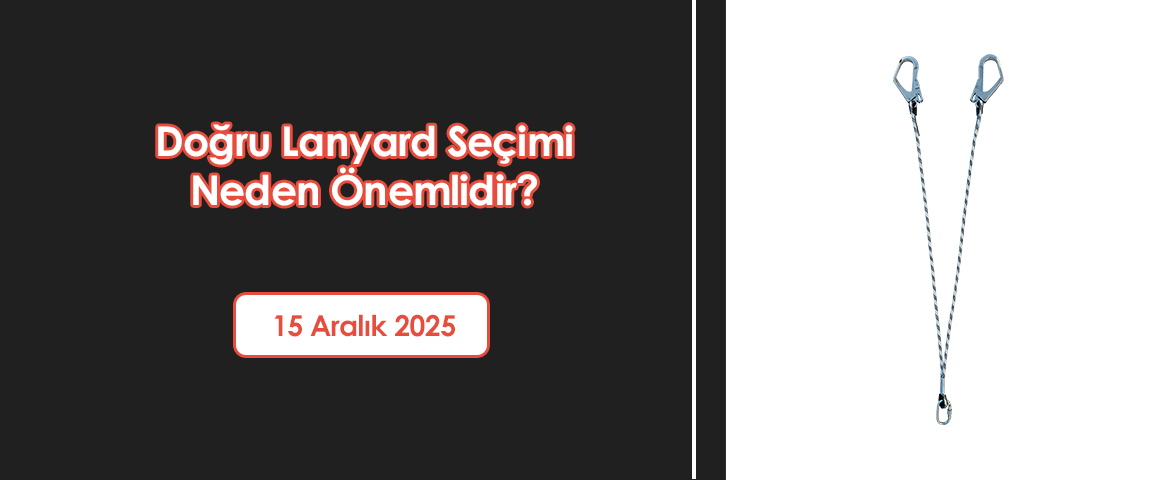
A lanyard is a safety device that connects a full-body safety harness to an anchorage point or lifeline, limiting or stopping a fall. Thanks to its energy-absorbing structure, it absorbs the sudden force generated during a fall, reducing the load applied to the worker’s body.
Risks of Choosing the Wrong Lanyard
Using an unsuitable lanyard creates serious safety risks:
- Insufficient energy absorption during a fall
- Excessive impact force may injure the worker
- Anchorage or connection points may fail
- System integrity may be compromised
These situations are among the leading causes of life-threatening accidents.
Selecting the Right Lanyard for the Type of Work
Every industry and work environment involves different risks. Therefore, when selecting a lanyard, the following factors should be considered:
- Working height and distance
- Position of anchorage points
- Worker’s range of movement
- Fall factor
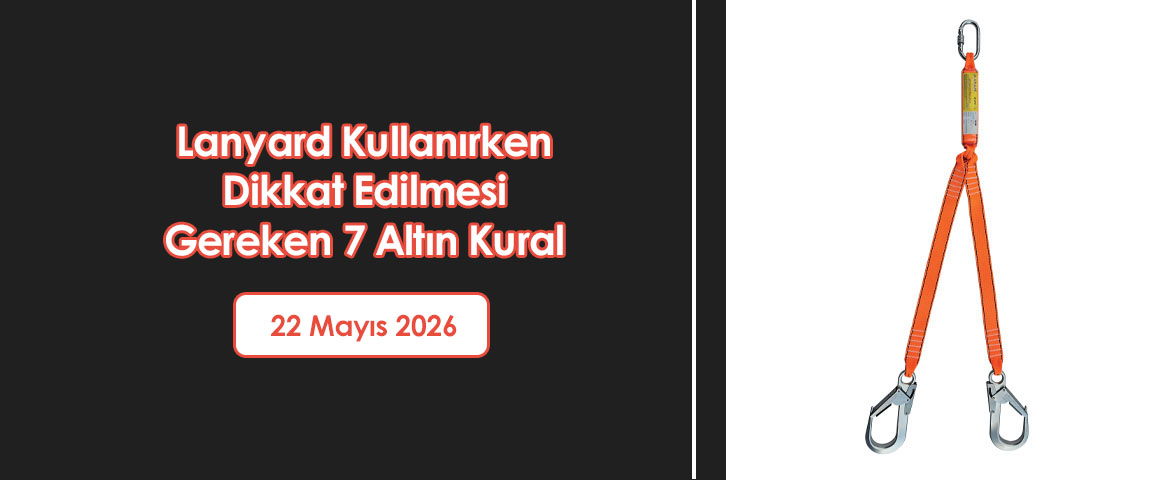
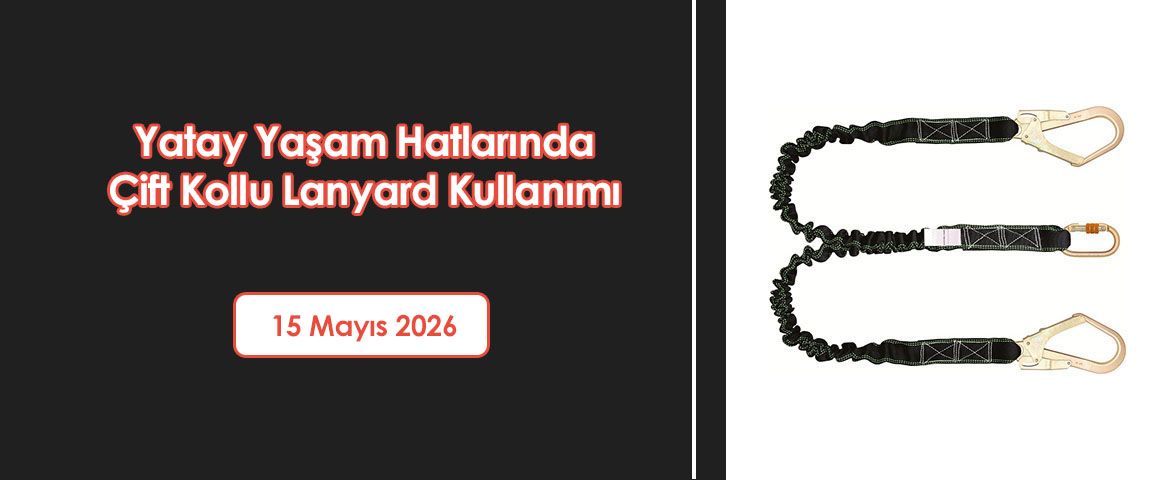
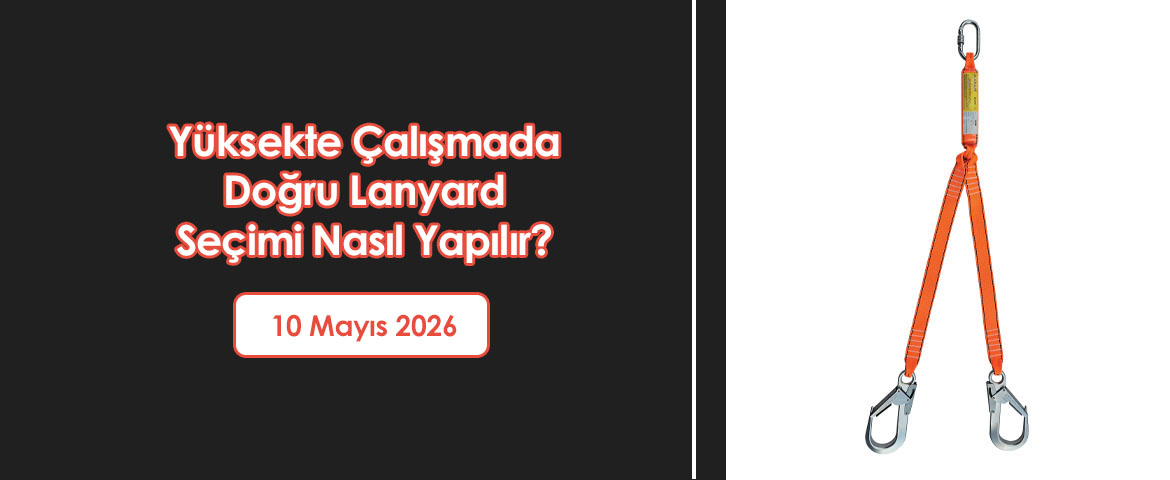
For example, double-leg lanyards should be preferred for tasks requiring continuous movement.
Types of Lanyards and Proper Use
Choosing the right lanyard starts with selecting the correct type:
- Energy-absorbing lanyard: mandatory for fall arrest systems
- Adjustable lanyard: adapts to different working distances
- Double-leg lanyard: provides continuous connection safety
- Steel wire lanyard: ideal for areas with cutting and abrasion risks
Using the wrong type of lanyard can render the system ineffective.
Why Is Compliance with Standards Important?
Lanyards used in occupational safety must comply with relevant standards:
- EN 354: General lanyard standard
- EN 355: Energy absorber standard
- CE Certification: European Union conformity
Non-compliant products pose serious legal and life-threatening risks.
Comfort and Ergonomics
The right lanyard provides not only safety but also comfort. Proper length and flexibility:
- Increase the worker’s mobility
- Reduce the likelihood of improper use
- Improve efficiency during long working hours
Uncomfortable equipment may cause workers to avoid using safety gear.
Periodic Inspection and Training
Correct use and regular inspection are just as important as proper selection. Damaged or worn lanyards must be removed from service immediately, and workers should receive regular training.
Choosing the right lanyard is one of the most critical links in the occupational safety chain. Lanyards that are suitable for working conditions, compliant with standards, and used correctly play a vital role in preventing workplace accidents. It should never be forgotten: the right safety equipment choice saves lives.
Let our team recommend the best equipment for your needs and quote you quickly.