In This Article
Falls from heights are the most common and dangerous cause of workplace accidents in high-altitude work. Therefore, a parachute-type safety harness is an indispensable piece of personal protective equipment for ensuring worker safety. However, when choosing the right product, factors such as quality, standards, and suitability for the intended use should also be considered, not just the price. This guide examines the factors affecting parachute-type safety harness prices and the criteria for making the correct choice in detail.
What Affects Parachute-Type Safety Harness Prices?
Prices vary based on the product's technical specifications, the material used, and certification status.
1. Material Quality
Harnesses made with high-strength polyester or polyamide webbing are longer-lasting and safer. As material quality increases, the price also rises.
2. Standards and Certifications
Products compliant with international standards (EN 361, EN 358, EN 813, etc.) and certified may be higher priced due to passing inspections. However, these certifications guarantee safety.
3. Number of Attachment Points
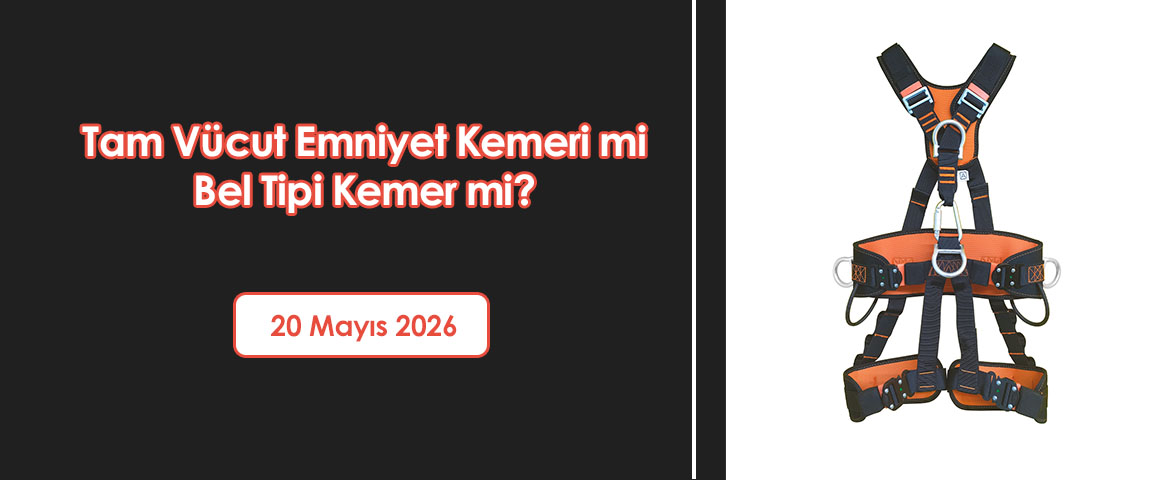
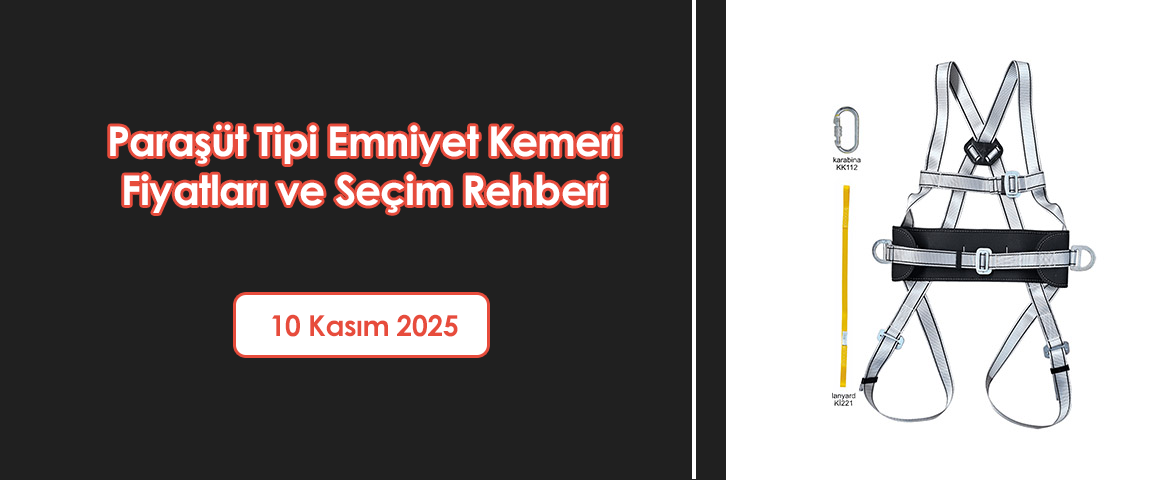
As the number of dorsal (back), chest, and waist attachment points increases, the versatility of the harness expands. Models with multiple attachment points are generally more expensive.
4. Ergonomics and Comfort
Models with padded shoulder and leg straps and lumbar support provide comfort for long-duration work. Ergonomic designs directly affect the price.
5. Brand and Manufacturing Location
Proven brands and domestic/imported manufacturing options are other key factors that determine the price range.
Average Price Ranges
Parachute-type safety harnesses are generally offered across a wide range from basic to professional models:
- Basic models: Standard fall arrest, affordable
- Mid-level models: Additional attachment points and comfort features
- Professional models: Multi-purpose use, high comfort, and maximum safety
Note: The lowest-priced product is not always the best choice. Quality should take priority in safety equipment.
What to Consider When Choosing a Parachute-Type Safety Harness?
1. Suitability for the Task
Choose the harness appropriate for different needs such as fall arrest, positioning, or work suspended in the air.
2. Certification
The product must comply with current occupational health and safety standards.
3. Size and Adjustability
Harnesses that fit different body sizes and are easily adjustable are important for safe use.
4. Comfort and Ergonomics
Lumbar and leg supports protect worker health and reduce fatigue during long work periods.
5. Compatibility with Other PPE
The harness must be fully compatible with other equipment like carabiners, lanyards, and shock absorbers.
How to Achieve the Right Price–Performance Balance?
The best choice of a parachute-type safety harness is possible by analyzing the needs and comparing certified products suitable for the job. Products that appear cheap in the short term may lead to greater risks and costs in the long term.
Prices of parachute-type safety harnesses are proportional to the level of safety they provide. Choosing the right product is critical for worker safety, legal compliance, and operational efficiency. Treating safety as an investment rather than a cost protects employees and supports business sustainability.
Let our team recommend the best equipment for your needs and quote you quickly.