In This Article
Working at heights is one of the most serious areas leading to workplace accidents with fatal consequences. A large portion of accidents in sectors such as construction, energy, maintenance, telecommunications, and industry result from falls from height. To minimize these risks and protect workers' lives, the use of a parachute-type safety harness is both legally required and vitally important.
Risk of Falling from Height and Consequences
Falls from height can cause permanent disabilities, long-term loss of workforce, and fatalities. Even a simple imbalance can lead to serious consequences. A parachute-type safety harness keeps the worker's body balanced during a fall, minimizing these risks.
What is a Parachute-Type Safety Harness?
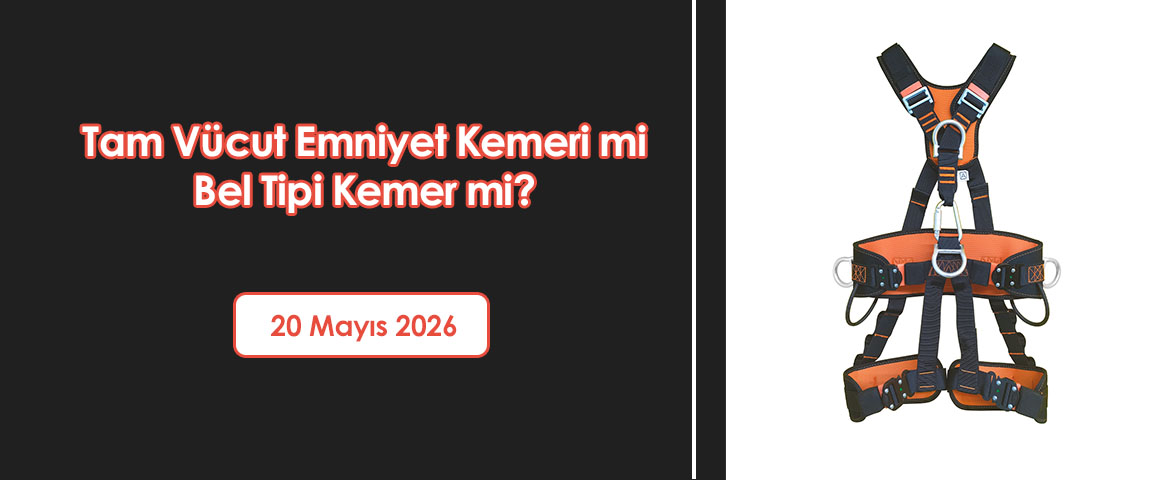
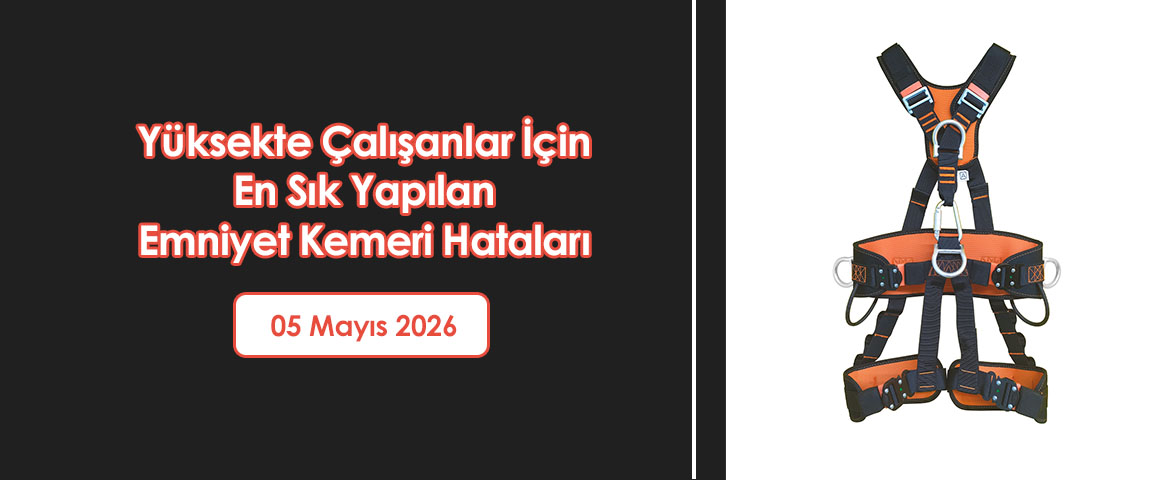
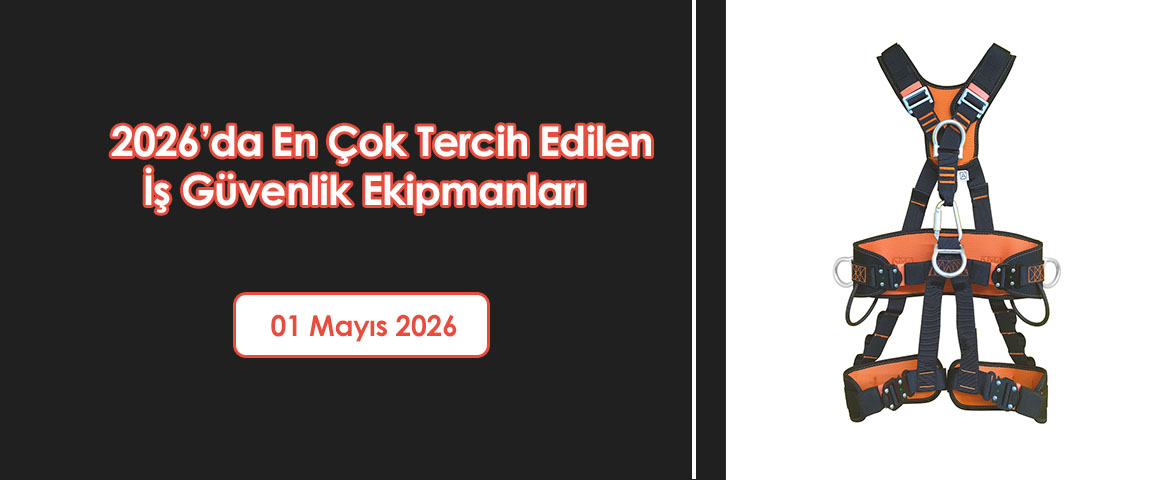
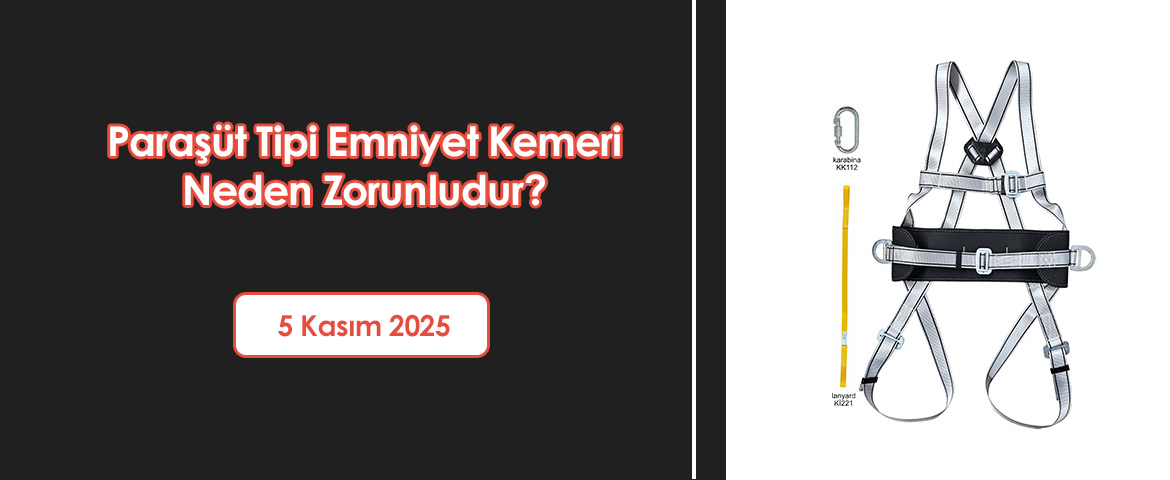
A parachute-type safety harness is personal protective equipment that wraps around the worker's shoulders, waist, and legs, distributing the load evenly across the body during a fall. By attaching to anchor points, it prevents falls or keeps the fall distance within safe limits. These features provide much higher protection compared to other types of harnesses.
Why is it Mandatory?
It Saves Lives
The parachute-type safety harness supports the body from all main points rather than a single point during a fall. This reduces the impact of the fall and prevents fatal injuries.
It is a Legal Requirement
According to occupational health and safety regulations, the use of proper personal protective equipment is mandatory in areas where work is performed at heights. The parachute-type safety harness is a primary part of these requirements. Failure to use it may result in serious penalties for both employers and employees.
Reduces Work Accidents and Costs
Preventing accidents is important not only for employee health but also for employers. Compensation, workforce loss, and work stoppages due to accidents can create serious costs. A parachute-type safety harness prevents these risks.
Increases Worker Confidence and Productivity
An employee who feels safe can focus better on their work. This improves both work quality and overall productivity.
Where Should it Be Used?
- Construction and scaffolding work
- Roofing, façade, and maintenance work
- Energy and telecommunications lines
- Crane, tower, and platform operations
- All activities performed at height in industrial facilities
Working in these areas without a parachute-type safety harness carries serious risks.
The parachute-type safety harness is an indispensable part of working at heights. Its life-saving features, compliance with legal requirements, and ability to prevent work accidents make its use non-negotiable. Workplace safety is not a choice but a requirement. Using the right equipment, proper usage, and conscious work practices make it possible to prevent accidents.
Let our team recommend the best equipment for your needs and quote you quickly.