
In This Article
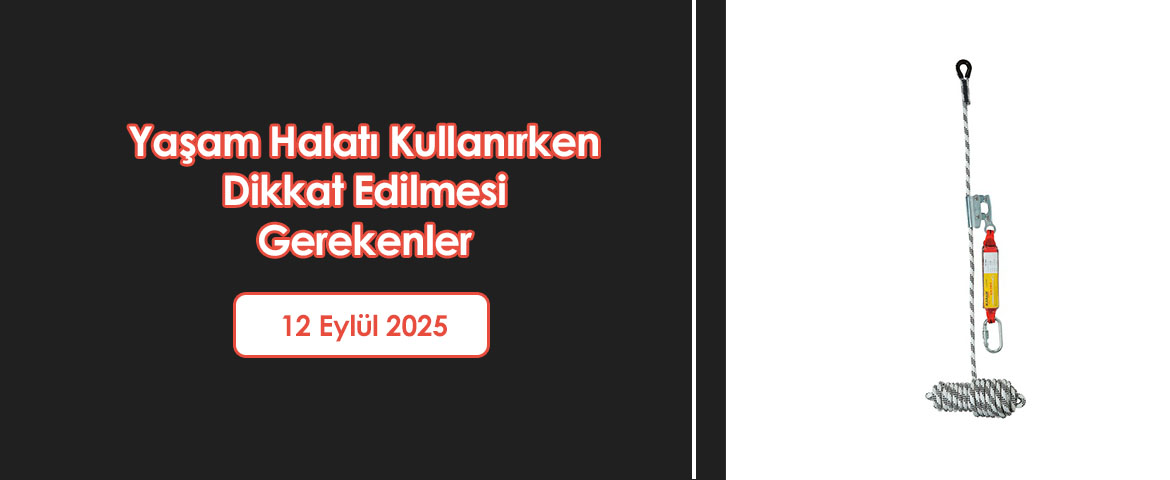
The phrase "precautions when using a lifeline" explains the fundamentals of workplace safety in high-altitude environments. The lifeline acts as a safety line that protects the worker from potential falls. Therefore, correct usage is crucial. First, the strength of the anchorage point where the lifeline is fixed must be tested. Weak or loose connections pose a serious risk.
Before attaching the lifeline, the user must check all equipment. Worn, frayed, or damaged ropes should never be used. The length and position of the lifeline must also be considered. If left too long, it increases the fall distance and reduces safety; if too short, it restricts movement. This balance must be properly adjusted. In addition, the anchorage point should ideally be above the worker’s level for safer use. Lifelines attached at the wrong angle may wear down due to friction.
Understanding the Purpose and Usage of a Lifeline
The lifeline is one of the most essential safety devices for working at heights. It plays a critical role in protecting the worker and ensuring safe mobility. Therefore, it is important to understand its purpose and areas of application correctly.
The main purpose of a lifeline is to protect workers from fall risks. On construction sites, power lines, rooftops, or industrial facilities, the lifeline serves as a safety net. It enables workers to move more freely and perform their tasks with confidence even at height.
Its applications are very broad. It is used in construction sites, façade works of tall buildings, maintenance and repair operations. It is indispensable for workers on wind turbines or power transmission lines. In industrial facilities, it is also used for tanks, silos, and other tall structures.
Understanding the lifeline also means developing safety awareness. Workers realize that the lifeline not only prevents falls but also provides confidence, making work safer and more efficient.
Choosing the Right Lifeline
Choosing the right lifeline is vital for safe work at heights. One should not only look at appearance but also check technical features. The wrong choice increases risks. Key points to consider:
- Purpose of use
- Durability level
- Length and diameter
- Material quality
- Compliance with standards
Purpose of use: The application area determines the type of lifeline — construction, power lines, or industry.
Durability level: The load capacity and breaking strength must be inspected. Stronger lifelines provide higher safety.
Length and diameter: It is important to choose a length suitable for the work area. Too long or too short reduces safety. The diameter should allow a comfortable grip.
Material quality: The rope should be resistant to abrasion, impact, and environmental conditions. Durable materials ensure long life.
Compliance with standards: The lifeline must comply with international safety standards. Certified products guarantee safety.
Installation and Fixing Rules
Using a lifeline requires careful installation. The surface must be solid and free of sharp edges. The rope must pass through a stable anchorage point capable of carrying the load. When knots are necessary, secure tying methods must be used. Simple knots may loosen over time. For lifting loads, it is safer to use locking devices or special clamps.
Pre-use Inspection
For safe use, lifelines must be checked regularly. A visual check should be carried out before use. If there are cuts, wear, or burn marks, it should not be used. The rope must also be checked for stiffness. Any unusual thinning or swelling increases risk and requires replacement. Inspection must be done not only visually but also manually to detect hidden damage. Ropes exposed to moisture or chemicals should be dried, cleaned, and tested before use.
Precautions Against Fall Risks
Falls are among the most serious risks in working at heights. Therefore, measures must be taken both individually and on site. Every task must start with planning. The working environment must be inspected, including surface conditions and environmental risks. Barriers and guardrails reduce fall risk significantly. Non-slip platforms increase safety. Safety harnesses and lifelines provide direct protection and must be properly secured.
Precautions When Using a Lifeline
The lifeline is one of the most vital safety devices in working at heights. When used correctly, it prevents serious injuries from falls. However, for it to be effective, rules must be strictly followed.
First, the anchorage point must be strong and able to bear the load. Weak or fragile points do not provide safety. The length of the rope must match the working area. Damaged ropes must be replaced immediately. Contact with sharp surfaces should be avoided. Hooks and anchorage points must be checked before each use. Workers must receive training on proper use. Using the lifeline together with a safety harness increases protection.
Let our team recommend the best equipment for your needs and quote you quickly.