In This Article
Carabiners are critical safety equipment used in a wide range of applications, from climbing to industrial work. Choosing the right carabiner not only improves performance but also minimizes life-threatening risks. Therefore, it is important to understand the types of carabiners and their areas of use.
What is a Carabiner and Why is it Important?
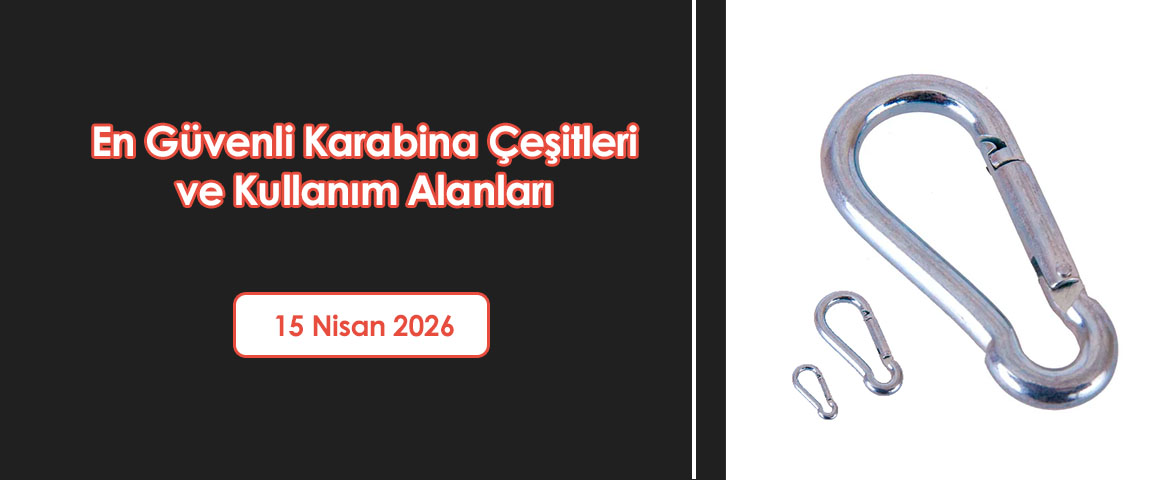
A carabiner is a connection device, usually made of aluminum or steel, with a spring-loaded gate. It is used to connect ropes, harnesses, or other equipment in activities such as climbing, camping, mountaineering, and occupational safety. A reliable carabiner protects the user from potential accidents thanks to its high load capacity and locking mechanism.
Carabiner Types by Locking System
Carabiners are categorized based on their locking systems, which determine their safety level:
Screw Gate Carabiners
These carabiners are manually locked. After closing the gate, the user secures it by turning the screw mechanism. They are among the most commonly used types in climbing because they are both safe and economical.
Auto Lock Carabiners
These carabiners automatically lock when the gate is closed. They are preferred in situations requiring quick use and are commonly used by professional climbers and industrial workers.
Non-locking Carabiners
These carabiners do not have a locking mechanism and are mainly used for carrying equipment or low-risk connections. They are not recommended for primary safety points.
Carabiner Types by Shape
The shape of a carabiner directly affects its usage:
D-Shaped Carabiners
One of the strongest types, as it directs the load to the spine, increasing durability. It is typically used at main connection points.
Oval Carabiners
Their symmetrical design makes them ideal for pulley systems and technical setups. They provide balanced load distribution.
Pear-Shaped (HMS) Carabiners
These have a wider design and are preferred for belaying and knot use. They offer versatile use in climbing.
Selection Based on Application Areas
The intended use plays a major role when choosing a carabiner:
Mountaineering and Rock Climbing
Lightweight and durable aluminum carabiners are preferred. Auto-locking or screw gate models stand out in terms of safety.
Industrial Applications
Steel carabiners are used in construction, work at height, and rescue operations. Although heavier, they provide superior strength.
Camping and Everyday Use
Non-locking carabiners can be used for keychains or carrying equipment. However, they are not intended for safety purposes.
Key Factors for Choosing a Safe Carabiner
Several factors determine whether a carabiner is safe:
- Load Capacity (kN rating): Indicates how much load the carabiner can تحمل.
- Material Quality: Aluminum provides lightness, while steel offers maximum durability.
- Certifications: Compliance with international standards such as UIAA and CE must be verified.
- Locking Mechanism: The appropriate system should be selected according to the application.
Maintenance and Proper Use
Regular maintenance is essential to ensure the longevity and safety of carabiners. After use, they should be cleaned, the gate mechanism checked, and inspected for any deformation. Additionally, carabiners should be replaced after a fall or excessive loading.
Let our team recommend the best equipment for your needs and quote you quickly.