
In This Article
Fall Arrest Systems are a set of vital equipment and solutions used to ensure the safety of workers in areas where work at height is performed. Frequently preferred in sectors such as construction, energy, telecommunications, and maintenance, these systems safely stop a worker in the event of a fall, preventing serious injuries and fatalities. As an indispensable part of occupational health and safety standards, fall arrest systems provide maximum protection when selected correctly and used properly.
The Importance of Fall Arrest Systems
Working at height is among the most hazardous activities in terms of workplace accidents. Therefore, both employers and employees must pay maximum attention to safety precautions. Fall arrest systems are not just equipment but also a part of a safety culture. Thanks to these systems, workers feel safer, and work efficiency increases. In addition, legal regulations require the use of such systems in work at height.
Main Components
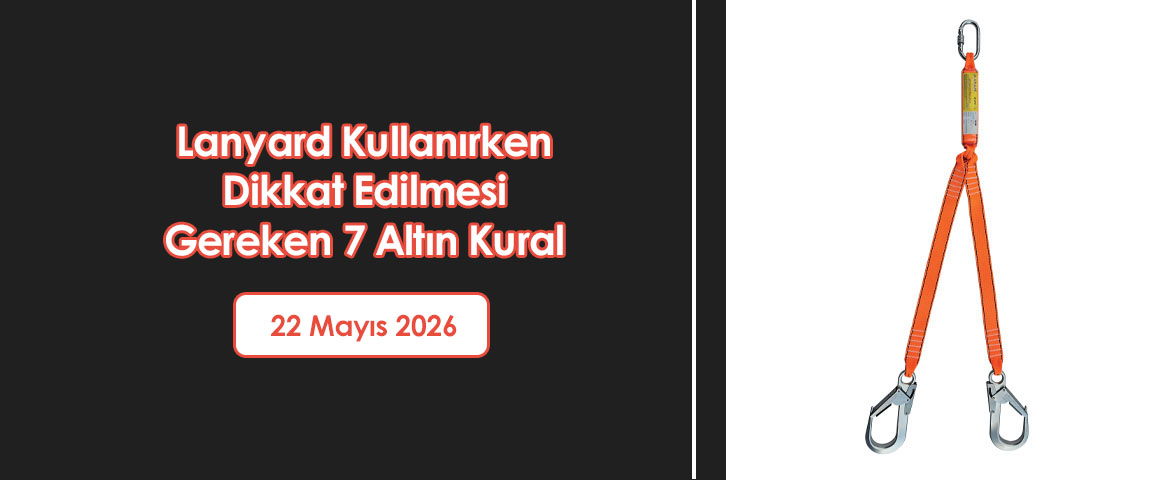
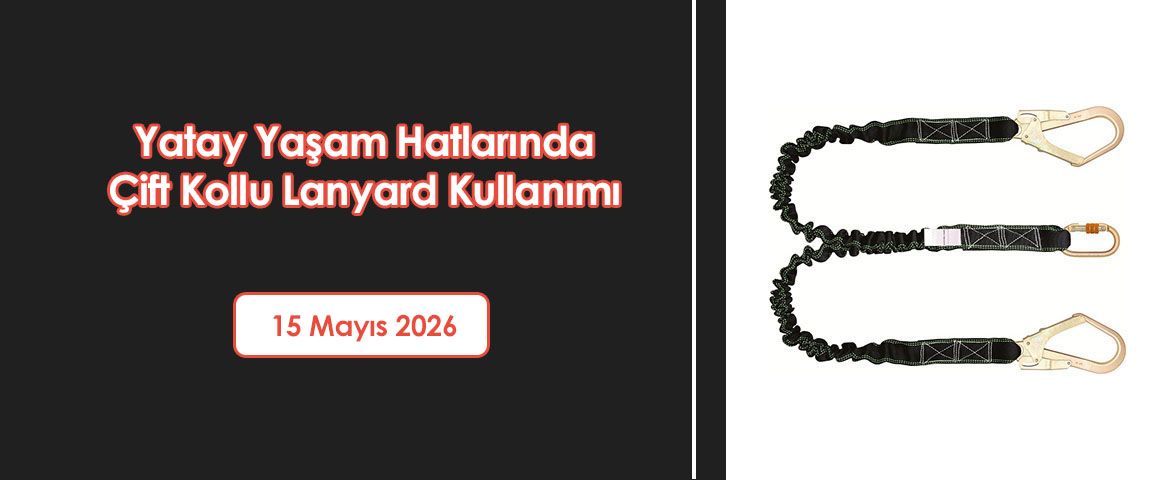
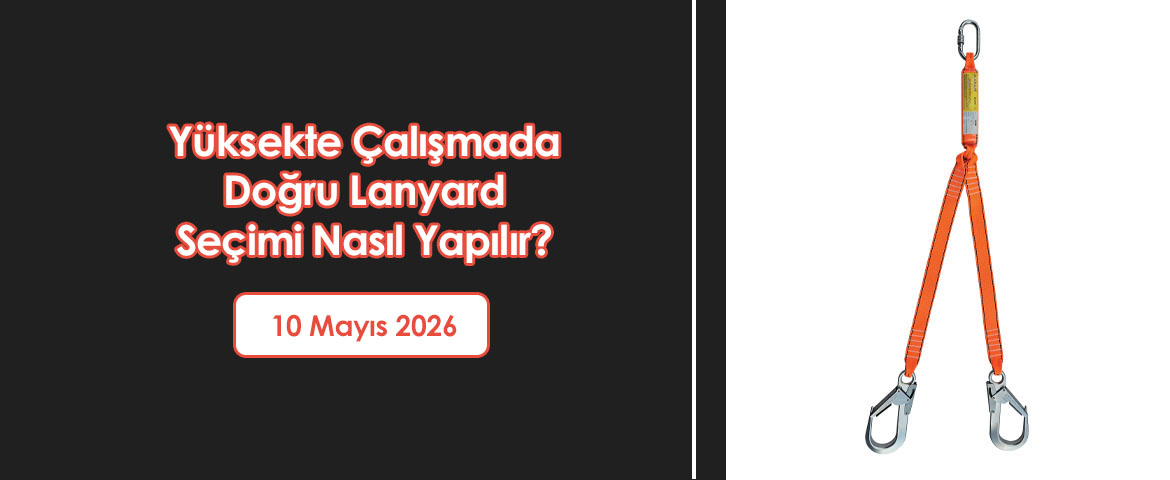
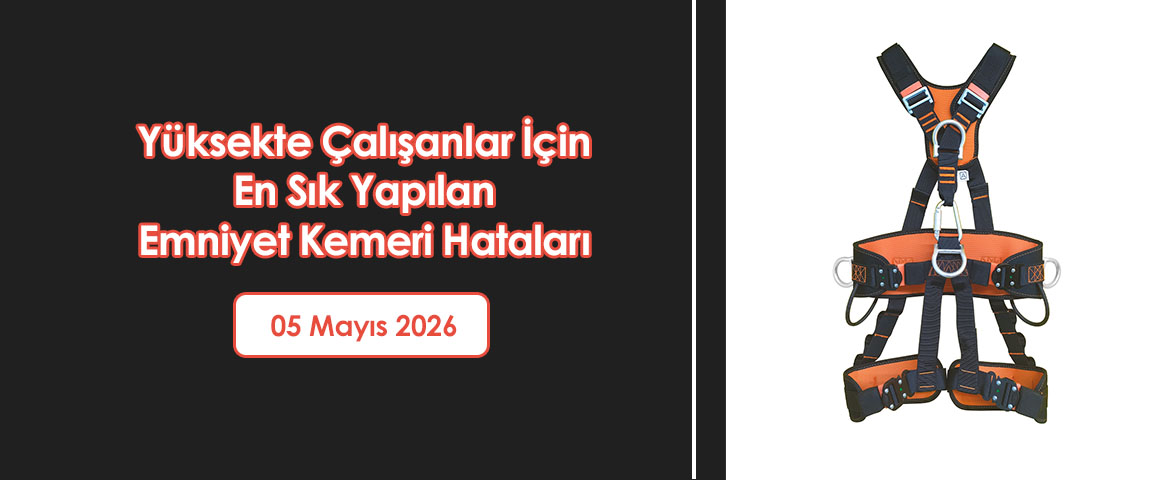
Fall arrest systems consist of several key components. One of the most important is the full-body safety harness. These harnesses distribute the force during a fall evenly across the body, reducing impact. Another essential component is lanyards and shock absorbers. Shock absorbers reduce the force generated during a fall, preventing injury. Anchorage points are also critical; they must be strong and properly positioned.
Areas of Use
Fall arrest systems have a wide range of applications. They are commonly used in the construction of high-rise buildings, in energy sector work on poles and towers, in wind turbine maintenance, and in industrial facilities. They are also indispensable in roofing, façade cleaning, and maintenance services. Different system solutions have been developed according to the needs of each sector.
Choosing the Right System
Since every work environment and condition is different, selecting the right fall arrest system is crucial. Factors such as working height, ground conditions, mobility, and job type must be considered. Additionally, the equipment must comply with international standards. CE-certified and tested products should be preferred. An incorrectly chosen system may fail to provide the expected protection and create serious risks.
Training and Awareness
For fall arrest systems to be effective, workers must know how to use the equipment correctly. Therefore, regular training should be provided. Training should include how to wear, inspect, and use the equipment, as well as how to act in emergency situations. Periodic inspections should also be carried out to ensure equipment reliability.
Maintenance and Inspection Processes
Regular maintenance is essential to ensure the longevity and safety of these systems. Inspections before and after use help detect potential damage early. Worn, damaged, or deformed equipment must never be used. Manufacturer-recommended maintenance schedules should be followed, and professional support should be sought when necessary.
Technological Developments
Today, fall arrest systems are also advancing technologically. Smart sensors, automatic locking mechanisms, and lightweight yet durable materials have made these systems safer and more user-friendly. These innovations enhance safety while maintaining workers’ mobility.
Let our team recommend the best equipment for your needs and quote you quickly.