
In This Article
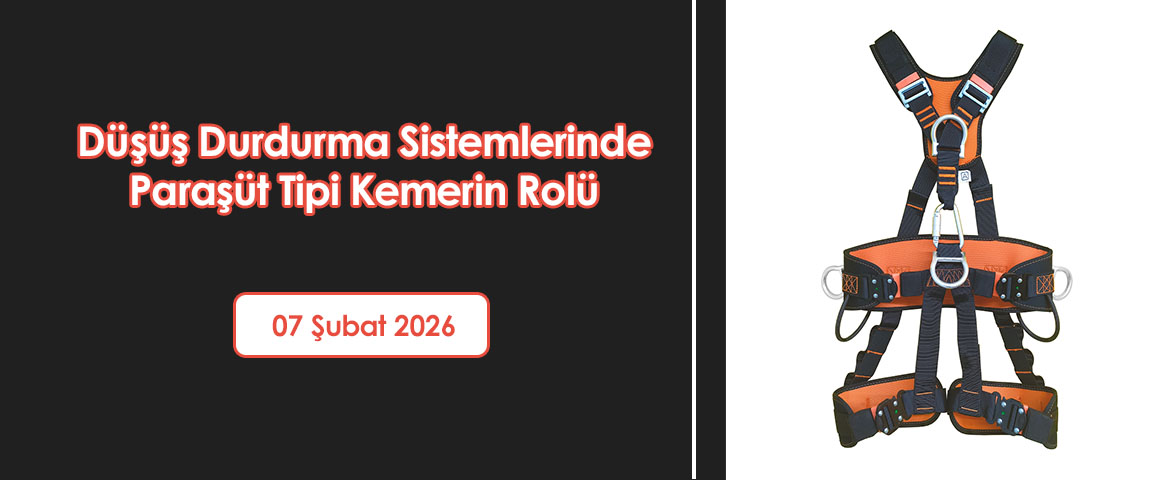
In sectors requiring work at heights (construction, energy, telecom, maintenance, etc.), the most critical risk factor is falling. Fall arrest systems aim to safely stop a worker during free fall and distribute the forces on the body to tolerable levels. At the center of these systems is the parachute-style safety harness (full body harness).
What is a Fall Arrest System?
A fall arrest system is a set of equipment that prevents a worker from falling from heights or safely stops a fall if it occurs. Its main components include:
- Anchor point (fixed and durable connection point)
- Connecting elements (lanyard, shock absorber, carabiner, etc.)
- Parachute-style safety harness
- Fall arrest mechanisms (such as self-retracting lifelines)
For the system to function correctly and safely, all components must be compatible with each other and meet standards.
What is a Parachute-Style Safety Harness?
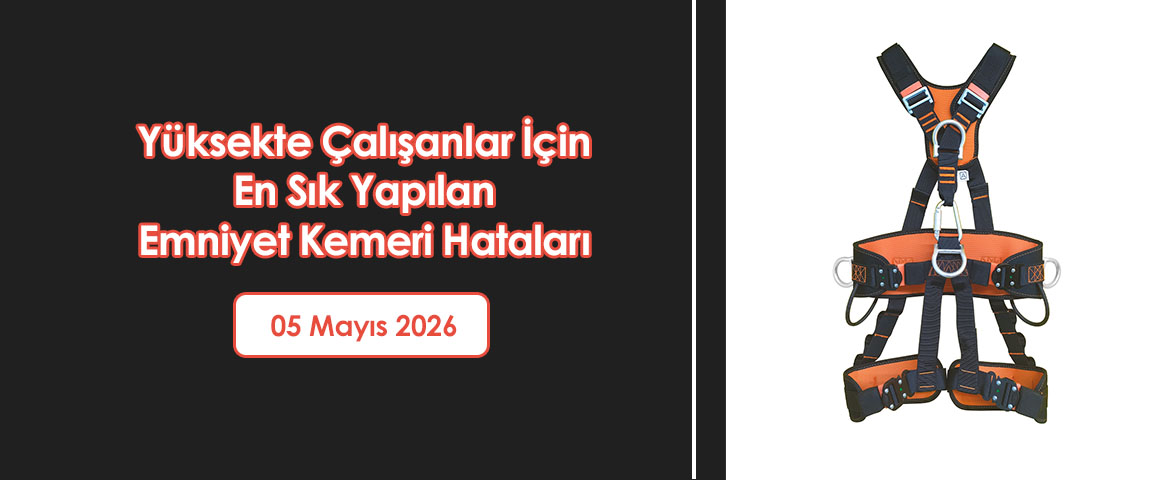
A parachute-style safety harness fully wraps the body through the shoulders, chest, waist, and legs. During a fall, it distributes the force across the strong areas of the body rather than concentrating it in a single point, reducing the risk of serious injury.
Unlike waist belts, it is designed not just for anchoring but directly for fall arrest. Therefore, in situations with a risk of falling, the use of a full body harness is mandatory.
How Does the Parachute-Style Harness Work During a Fall?
When a fall occurs, the system engages as follows:
- The worker begins to fall.
- The lanyard and shock absorber activate to control the fall speed.
- The anchor point carries the fall force.
The parachute-style harness distributes the forces evenly through the shoulder and leg straps to the body.
This reduces sudden load on the spine, waist, and internal organs. It also prevents inversion or slipping out of the harness.
Force Distribution and Vital Importance
The force generated during free fall is extremely dangerous to the human body. The most critical roles of the parachute-style harness are:
- Absorbing fall forces in conjunction with the shock absorber
- Directing load to the hips and thigh muscles
- Keeping the worker balanced while suspended
Improper or incomplete equipment can lead to severe consequences such as internal bleeding, spinal injury, or suspension trauma.
Why Proper Use is Important?
For the parachute-style harness to be effective:
- It must be adjusted to fit the body snugly
- Connection points (D-rings) must be correctly selected
- The anchor must have sufficient load capacity
- It should be used with a shock-absorbing lanyard
An improperly adjusted harness can cause serious injuries during a fall.
Sectoral Importance
In construction, roofing, power lines, wind turbines, and industrial maintenance, the parachute-style harness is the core of fall arrest systems. Most occupational safety regulations require an appropriate fall protection system for work above 2 meters.
Conclusion
In fall arrest systems, the parachute-style safety harness is not just equipment but a vital safety barrier. No matter how strong the anchor and connecting elements are, a system that cannot distribute the force correctly over the body cannot provide full protection. Therefore, choosing the right harness, regular inspections, and trained use are the fundamental steps to preventing work accidents at height.
Let our team recommend the best equipment for your needs and quote you quickly.