In This Article
One of the greatest risks in jobs that require working at height is falling. In many sectors such as construction, energy, maintenance-repair, and industrial cleaning, fall-related accidents can lead to serious injuries and even loss of life. To minimize these risks, fall arrest systems are one of the fundamental components of occupational health and safety.
What Is a Fall Arrest System?
A fall arrest system is a safety system designed to prevent harm to the body by stopping a worker’s fall within a certain distance if they lose their balance and fall. Rather than completely preventing a fall, these systems aim to ensure the worker’s safety by controlling and absorbing the energy generated when a fall occurs.
Main Components of a Fall Arrest System
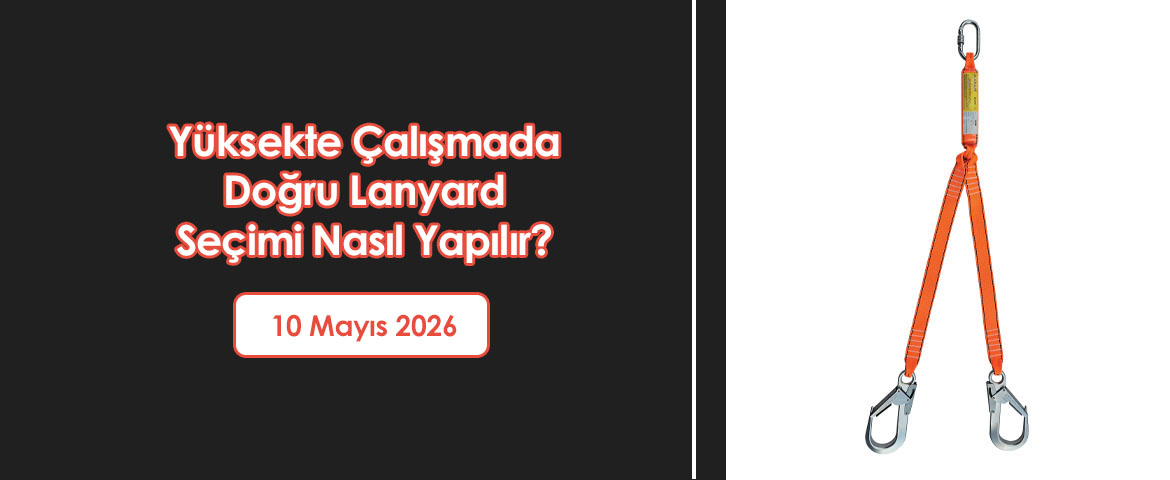
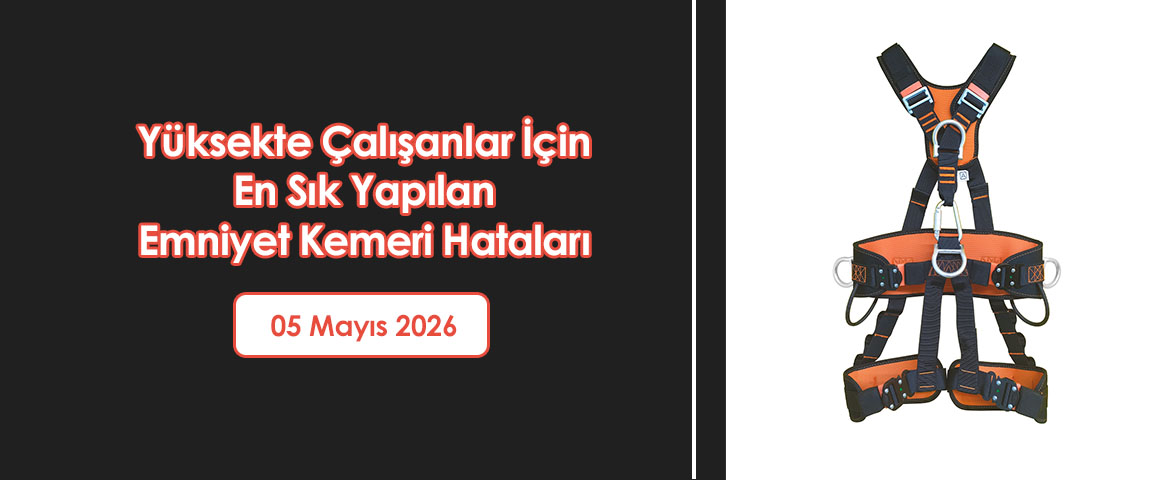
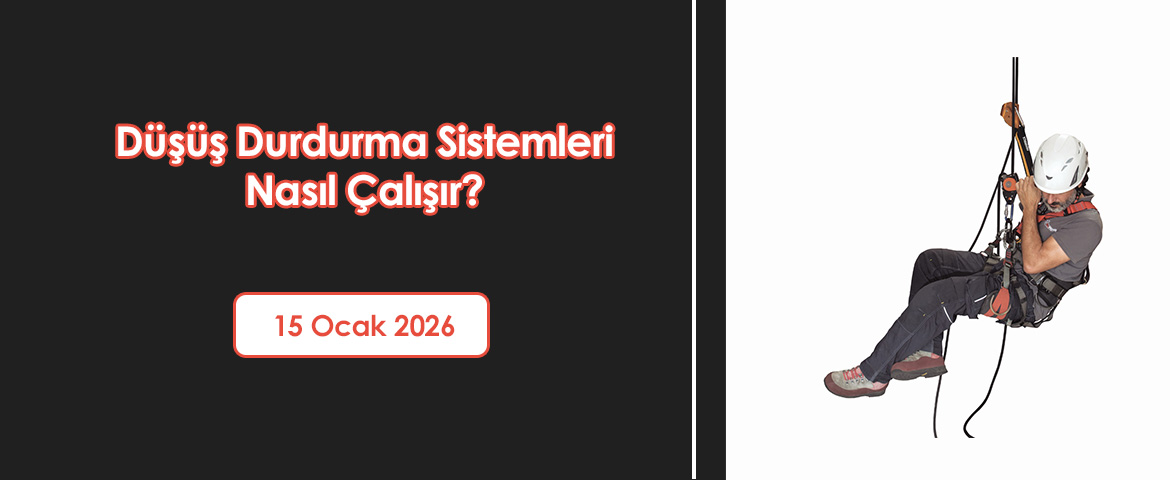
A fall arrest system generally consists of several key components. A full body harness distributes the force generated during a fall evenly across the body, helping to prevent serious injuries. A lanyard or a self-retracting lifeline provides the connection between the worker and the anchorage point. The shock absorber deploys during a fall to reduce impact force. The anchorage point is one of the most critical elements of the system and must be strong, secure, and compliant with relevant standards.
How Does It Work?
While working at height, the worker is connected to the system via a safety harness. In the event of a slip or loss of balance, the worker begins to move downward. At this moment, the lanyard or fall arrester is activated. The shock absorber opens in a controlled manner, reducing the sudden force caused by the fall and stopping it within a safe distance. This minimizes the load applied to the body and significantly reduces life-threatening risks.
The Importance of Proper Use
The effectiveness of fall arrest systems depends not only on the quality of the equipment but also on proper use. Positioning the anchorage point as high as possible above the worker helps reduce fall distance and impact risk. In addition, all equipment must comply with EN standards and be inspected regularly. Damaged equipment or products that have reached the end of their service life must never be used.
Conclusion
Fall arrest systems create a vital safety barrier for working at height. With correct equipment selection, informed use, and regular inspections, these systems play a critical role in preventing serious accidents. It should never be forgotten that every safety precaution taken when working at height can save a life.
Let our team recommend the best equipment for your needs and quote you quickly.