

In This Article
Differences Between Double-Leg and Single-Leg Lanyards are among the most frequently asked topics in occupational safety equipment. Lanyards used in industries requiring work at height play a critical role in preventing falls and ensuring worker safety. However, choosing the right lanyard varies depending on working conditions and needs. Therefore, knowing the differences between double-leg and single-leg lanyards is of great importance in terms of both safety and efficiency.
What is a Lanyard and What Does It Do?
A lanyard is a safety equipment that provides a connection between a safety harness and a fixed anchorage point. These products, which generally have shock-absorbing features, protect the user by reducing the force generated during a fall. They are widely used in construction, maintenance, energy, and industrial fields.
Lanyards are basically divided into two types: single-leg and double-leg. Although both serve similar purposes, their usage methods and advantages differ.
Single-Leg Lanyard Features
As the name suggests, a single-leg lanyard has a single connection arm. These types of lanyards have a simpler structure and are generally preferred for individuals working at a fixed point.
The biggest advantage of single-leg lanyards is that they are lightweight and easy to use. The user ensures safety through a single connection point. This is particularly practical for jobs that do not require movement or have limited mobility.
However, the disadvantage is that the user may remain unprotected for a short time when changing the connection. In other words, safety may be interrupted during transitions from one point to another.
Double-Leg Lanyard Features
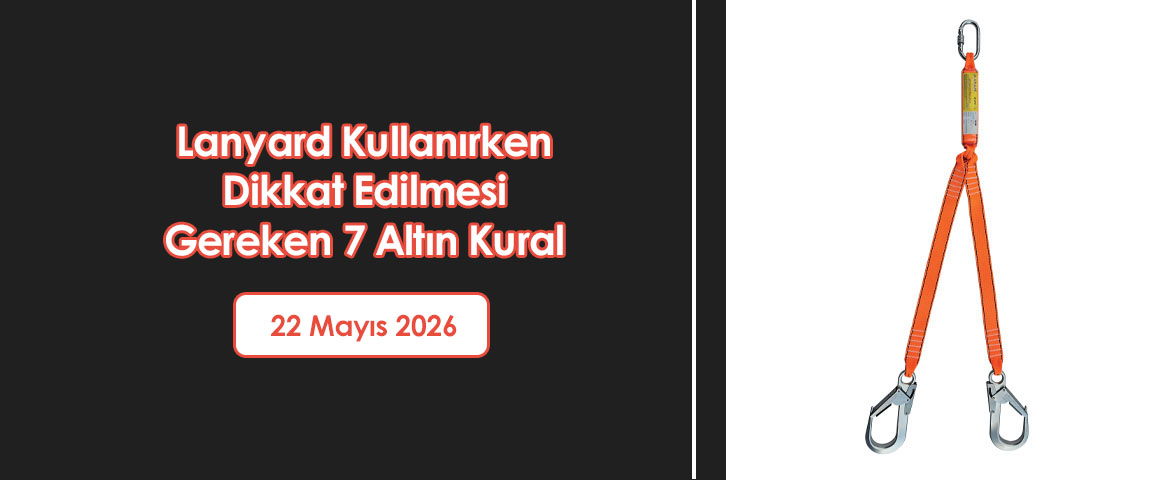
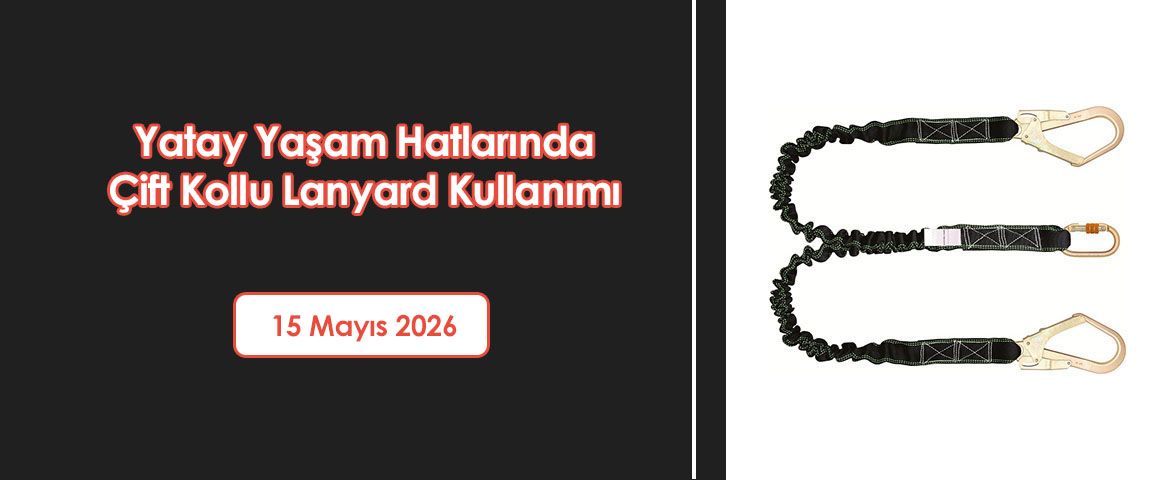
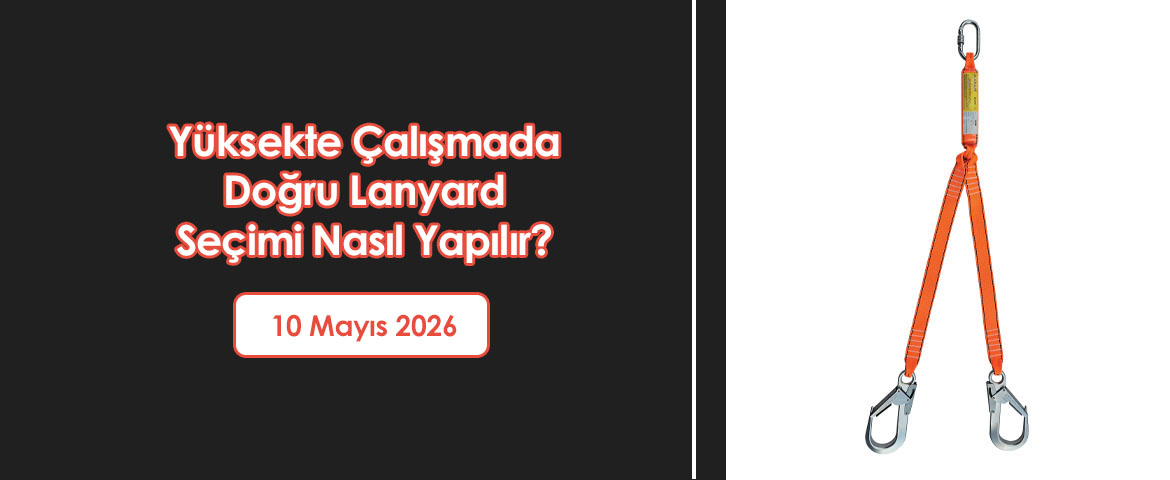
A double-leg lanyard has two separate connection arms. This allows the user to move from one connection to another without disconnecting completely. This feature provides a great advantage for workers who are constantly on the move.
Double-leg lanyards are indispensable, especially for those working on horizontal lifelines, scaffolding, or steel structures. The user is always secured with at least one connection point.
However, double-leg lanyards can be slightly heavier and more complex compared to single-leg models. Nevertheless, the continuous safety advantage largely compensates for this drawback.
Selection Based on Usage Areas
The working environment is a determining factor when choosing a lanyard. If the worker remains at a fixed point, a single-leg lanyard may be sufficient. For example, these products are ideal for maintenance work or short-term tasks.
On the other hand, double-leg lanyards should be preferred for tasks requiring constant movement. Construction sites, tower work, and high platforms are examples of such environments. Continuous safety is vital in these settings.
Safety Comparison
In terms of safety, double-leg lanyards stand out. This is because the user is always secured with at least one connection. Single-leg lanyards, however, may pose risks during transitions.
However, this does not mean that single-leg lanyards are unsafe. With proper use and suitable working conditions, both types provide high safety.
Ergonomics and Ease of Use
Single-leg lanyards provide comfort due to their lightweight and simple structure. This is a significant advantage, especially during long-term use.
Double-leg lanyards require more attention and familiarity. However, for experienced users, this quickly becomes routine.
The differences between double-leg and single-leg lanyards serve as a fundamental guide that enhances occupational safety, supports work efficiency, and ensures continuous protection for workers at height through proper equipment selection.
Let our team recommend the best equipment for your needs and quote you quickly.