
The differences between parachute and lap type safety belts are related to ergonomics and usage purposes. Work safety equipment is of critical importance in jobs where people work at heights. Safety belts come first among these equipment. There are structural differences between parachute and lap type safety belts, and these differences determine their areas of use. Here are the differences between parachute and lap type safety belts;
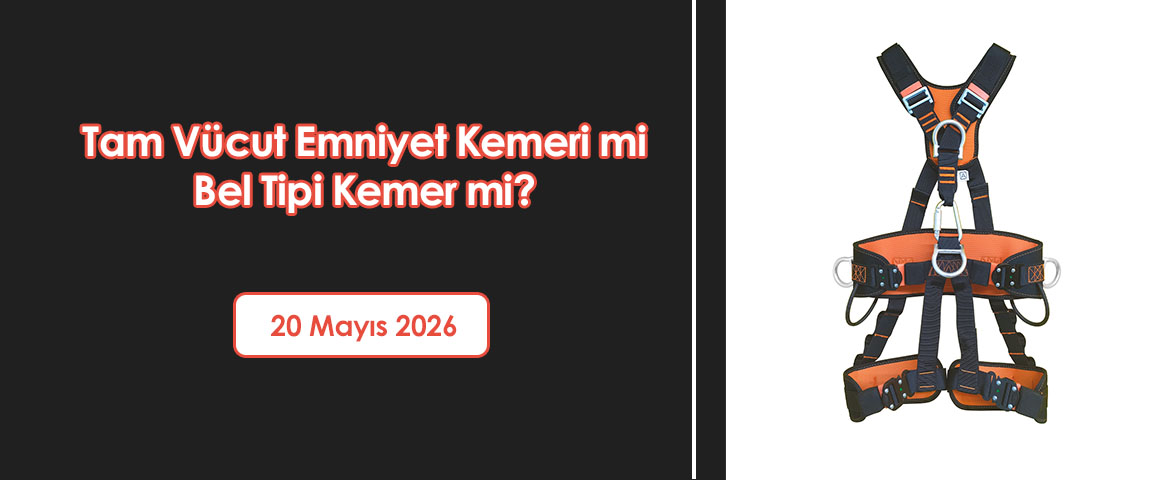
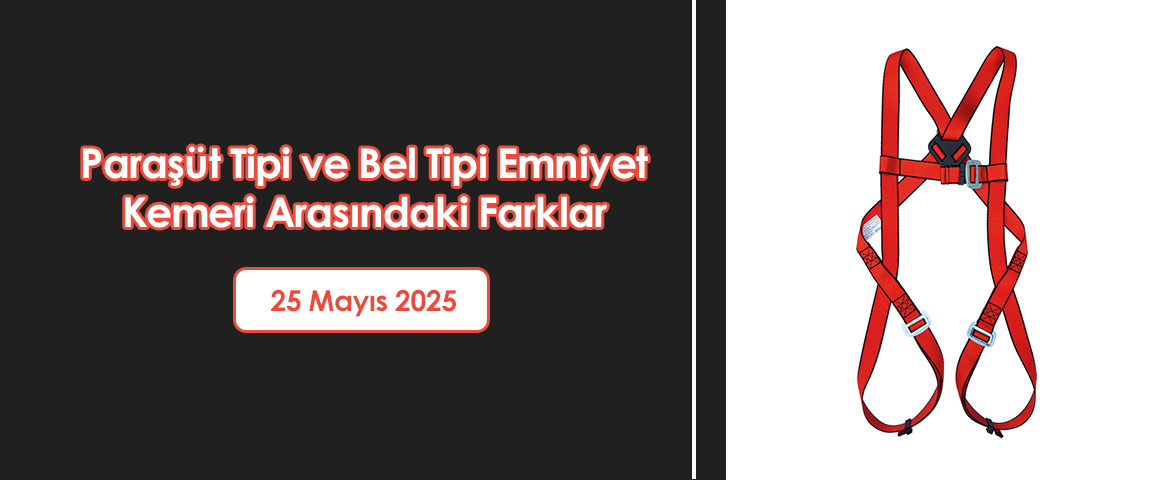
Parachute type belts also wrap the upper part of the body.
Lap type belts only fit around the waist.
Parachute type provides more effective protection against falls.
Lap type belts are suitable for positioning and fixing.
Parachute type belts have a back D-ring.
Lap type belts have side D-rings.
What are the Types of Safety Belts?
The most commonly used types of safety belts are parachute type, lap type, rope access type, restraint type and fall arrest system belts. Parachute type belts provide high-level protection against falls with their structure that wraps the body from the shoulders to the waist. Waist type models are preferred more frequently in jobs that require fixation, while protection against falls is limited. Rope access type belts are suitable for situations where mobile access is required, such as outdoor work.
Differences in Terms of Use
The reasons for choosing safety belts vary. The purpose of use of each belt is different, and choosing the right one for the right purpose is of vital importance. Parachute type belts are designed to be used in every area where there is a risk of falling. It prevents serious injuries by distributing the fall energy throughout the body with the D-ring placed on the back area. Waist type belts are generally preferred for positioning purposes.
Safety Level and Scope of Protection
Not every safety belt offers the same level of protection. The type of belt selected depending on the area of use directly affects the scope of protection. Parachute type belts provide full body protection thanks to details such as shoulder straps, leg straps and back D-ring. It protects sensitive points such as the spinal cord, hips and waist by spreading the energy throughout the body in the event of a fall. Waist type belts, on the other hand, do not provide sufficient protection in shocking events such as falls, as they only focus on the waist area.
Number and Location of Anchor Points
A poorly designed or insufficiently anchored lap belt cannot provide effective protection in the event of an accident. The number and location of anchor points should be determined by the user's work environment and the risks they may encounter. Belts with a single anchor point are generally preferred for fall protection, while multiple anchor points are preferred for emergency rescue, positioning, and confined space work.
Let our team recommend the best equipment for your needs and quote you quickly.