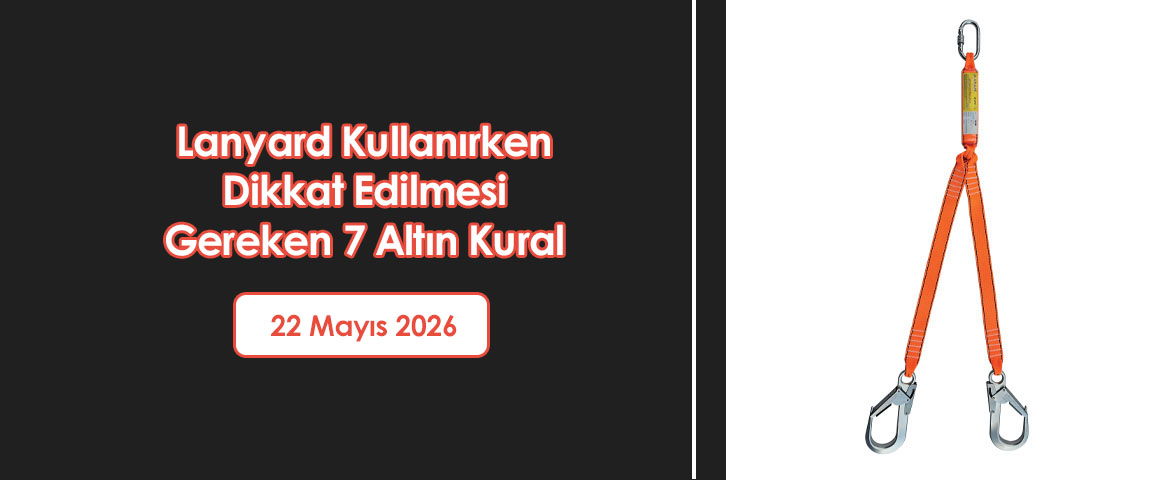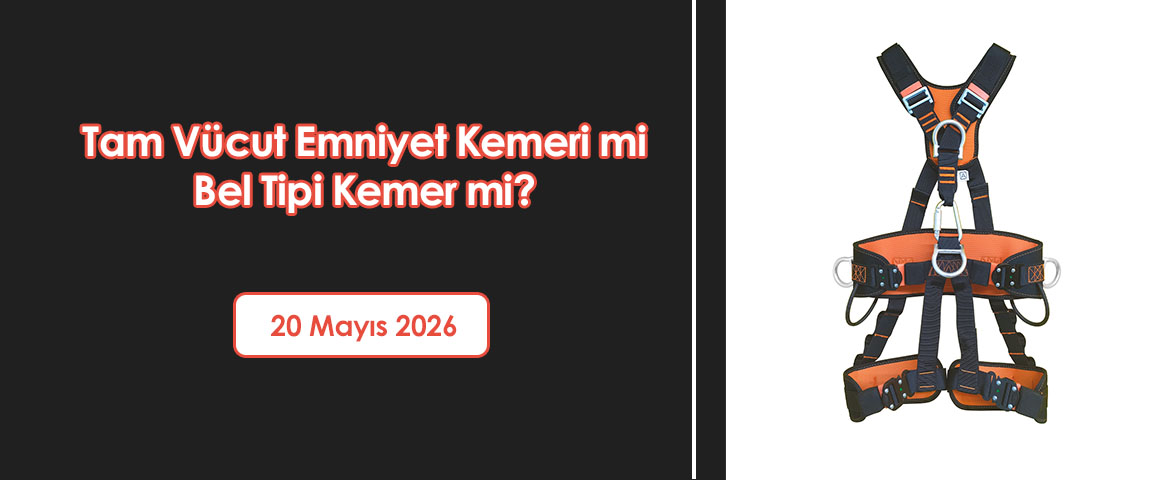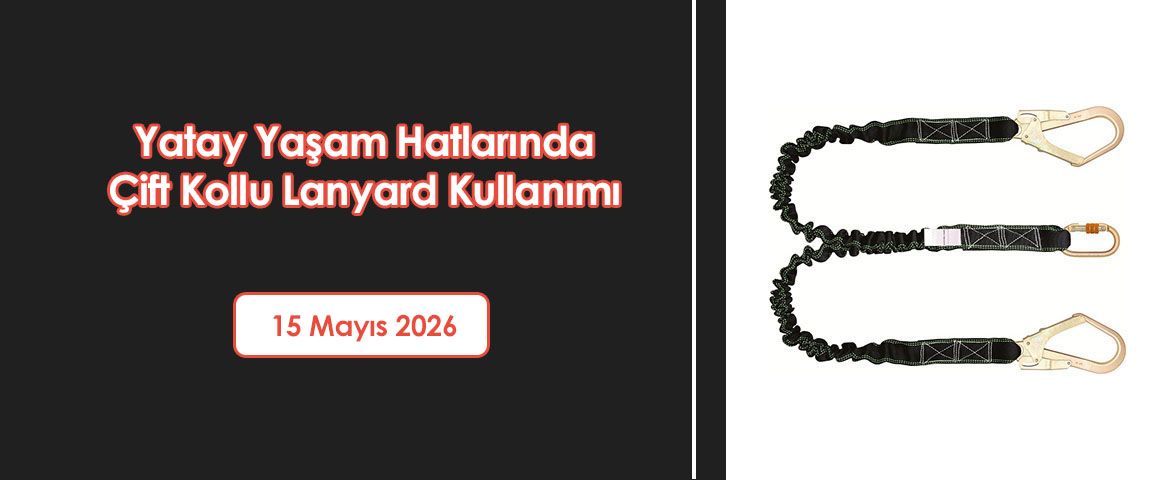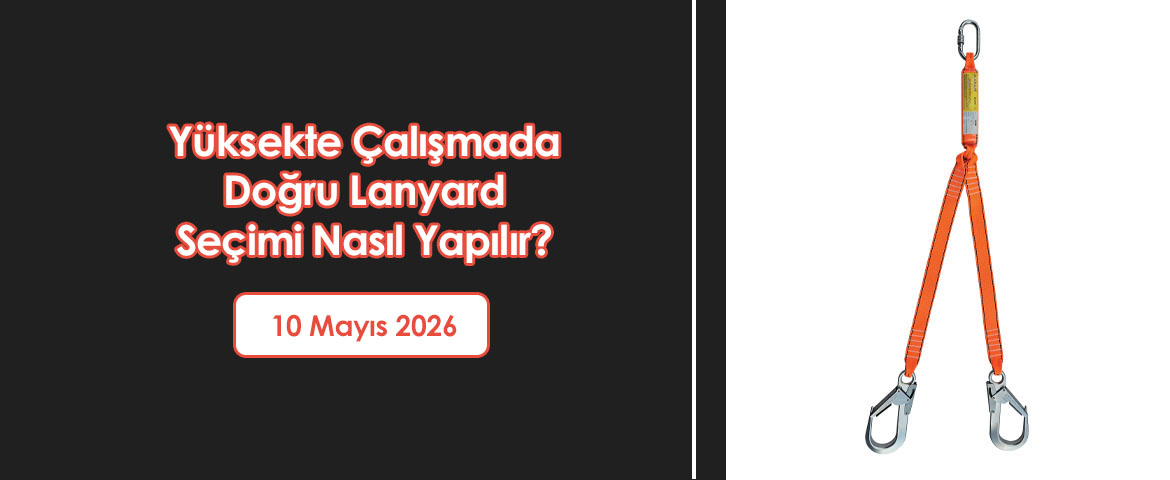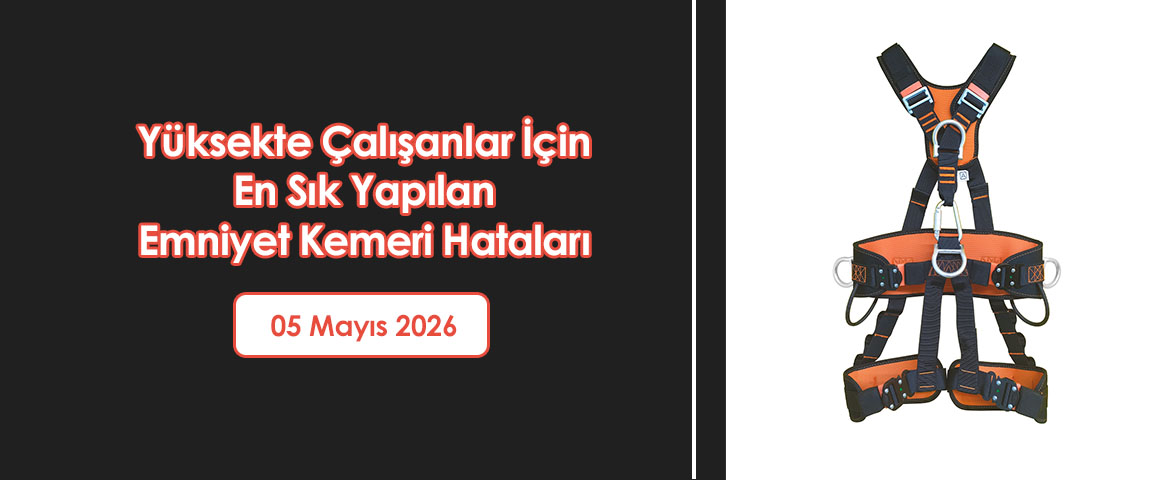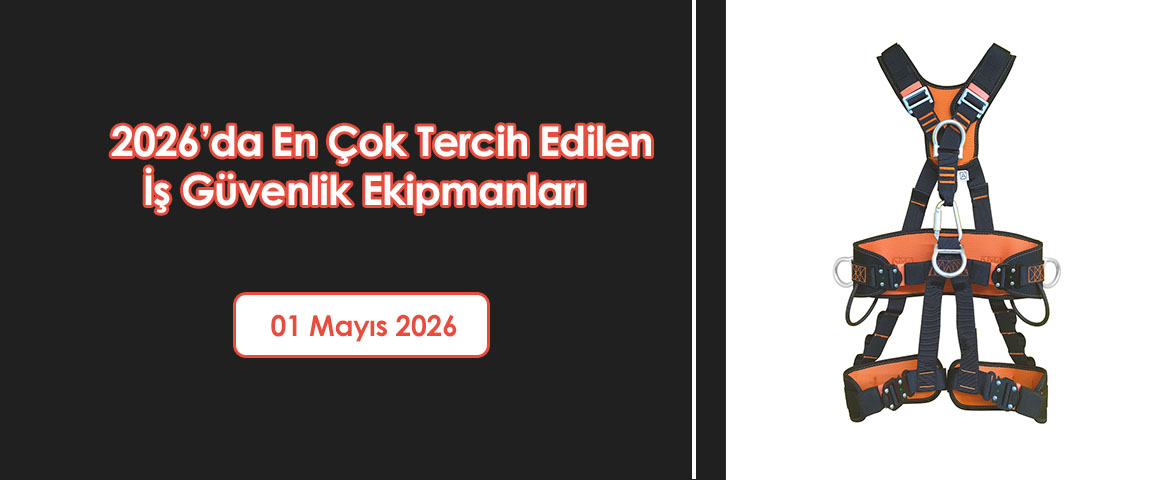
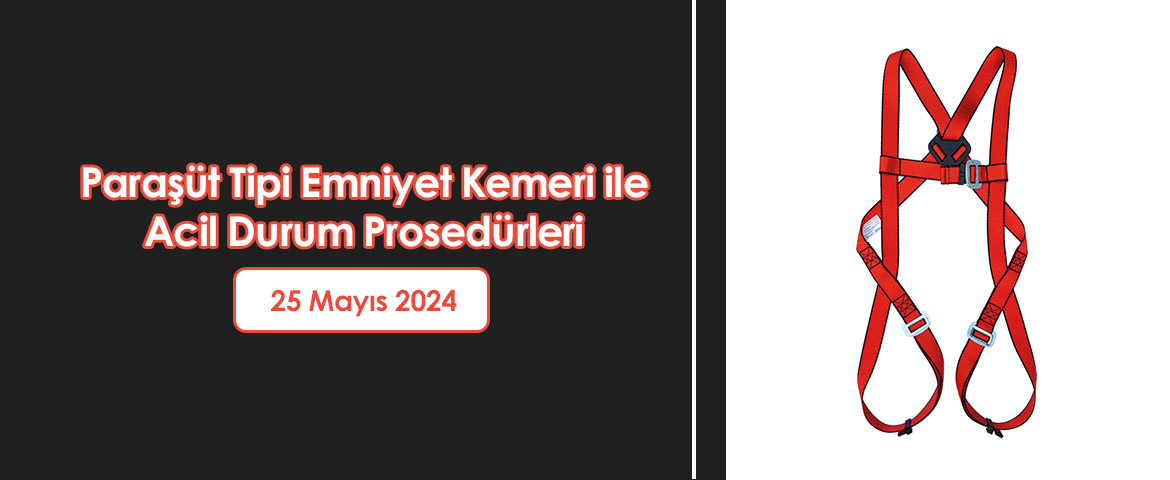
Parachute type seat belts and emergency procedures are precautions that must be taken for those working in jobs that pose the risk of falling from heights. These types of seat belts wrap around the user's body, support the body in a balanced manner in the event of a fall, and minimize possible injuries. When choosing seat belts, it is important to choose products that bear the CE mark and comply with international safety standards. Make sure that the waist and leg parts of the seat belt fit properly and that all connection points are secure. Before use, always visually inspect the belt for any tears, wear or deterioration of fasteners to increase your safety.
Emergency procedures should be regularly reviewed and implemented along with such safety tools to ensure safety. Receiving training on what to do in an emergency, repeating this training periodically and performing emergency drills ensure that individuals are prepared for these situations. Especially in jobs working from heights, it is necessary to know the meeting points designated for emergencies, to master the use of first aid equipment and to always have emergency numbers accessible. It should not be forgotten that in any emergency situation, staying calm and acting according to the previously prepared plan will minimize possible damages.
Parachute Type Seat Belt Selection and Installation
Parachute type seat belts are necessary for those who want to work and do sports in a safe environment. When choosing such seat belts, models suitable for the user's body structure and working conditions should be preferred. The fact that the seat belt is made of high-strength materials and complies with international safety standards should be a priority among the selection criteria. During the assembly phase, the belt must be positioned correctly and all connection points must be locked securely. Before use, the belt should be pulled to ensure that all connections are working properly and the general condition of the belt should be checked at regular intervals. When emergency procedures are followed with a parachute type seat belt, it will ensure safety at the highest level and prevent possible accidents.
Preparation and Implementation of Emergency Procedures
Emergency procedures with parachute type seat belts are prepared to be prepared for unexpected situations in workplaces. This process includes conducting hazard analyses, assessing risks, and training emergency teams. Every emergency procedure should be comprehensively planned, developing incident-specific scenarios and including evacuation plans, communication strategies and first aid measures based on these scenarios. All employees should be regularly informed about emergency procedures and drills should be conducted. This ensures that in the event of a real emergency, everyone knows what to do and acts according to procedures rather than panicking.
Safety Training and Awareness Regarding Seat Belts
The use of seat belts is an essential element of personal safety when working at heights or performing certain sports activities. Parachute type seat belts and emergency procedures used in such activities provide protection against possible falls and accidents and play a vital role in preventing serious injuries. Security training and awareness programs provide information on the proper use of these safety systems and teach users how to effectively use these critical safety tools. These trainings cover topics such as wearing, adjusting and maintaining seat belts. Emergency procedures and the checks required to ensure proper operation of the belts are also discussed in detail in these trainings.
Emergency Rescue Teams and Communication Protocols
Emergency rescue teams are used to save lives and minimize damage during various disasters. The success of these teams is highly dependent on effective communication protocols. Communication protocols are designed to ensure clear and rapid flow of information at every stage of rescue operations. Protocols range from radio frequencies to written instructions to emergency response systems. These systems enable rescue teams to work in coordination, instantly exchange information about dangerous situations and intervene effectively. Particularly in large-scale disasters, harmonious cooperation between different institutions and organizations is critical. Thanks to emergency procedures with a parachute type seat belt, rescue teams can act quickly and orderly.
Let our team recommend the best equipment for your needs and quote you quickly.