
Bu Yazıda
Yüksekte çalışmanın gerekli olduğu sektörlerde güvenlik, kullanılan ekipmanların kalitesi ve doğru anlaşılmasıyla doğrudan ilişkilidir. İnşaat, enerji, bakım-onarım ve endüstriyel temizlik gibi alanlarda en çok tercih edilen kişisel koruyucu donanımlardan biri paraşüt tipi emniyet kemeridir. Bu kemerler, olası bir düşme durumunda çalışanın vücudunu güvenli şekilde tutarak hayati riskleri en aza indirmek üzere tasarlanmıştır. Ancak sistemin etkili olabilmesi için kemeri oluşturan parçaların ve görevlerinin bilinmesi büyük önem taşır.
Paraşüt Tipi Emniyet Kemeri Nedir?
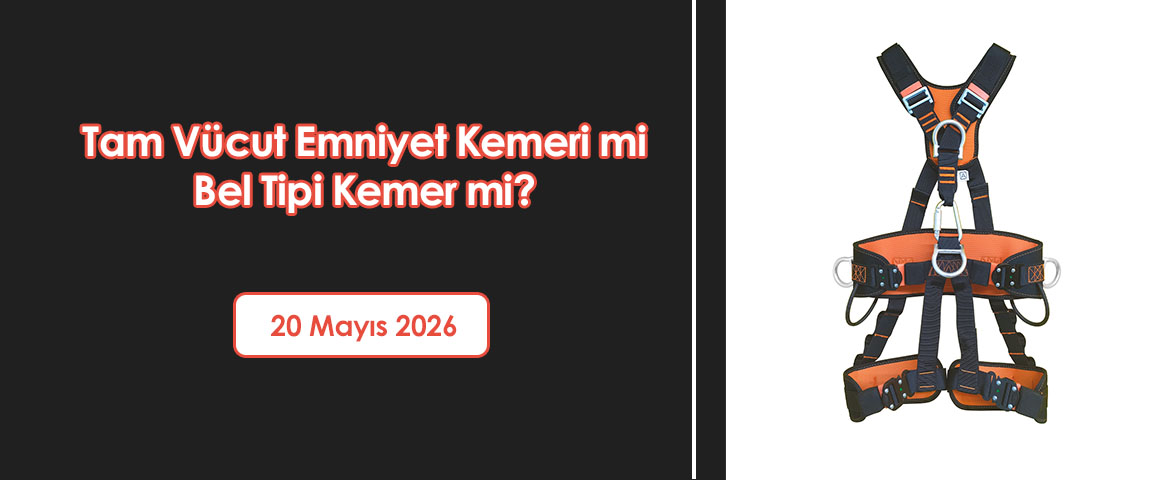
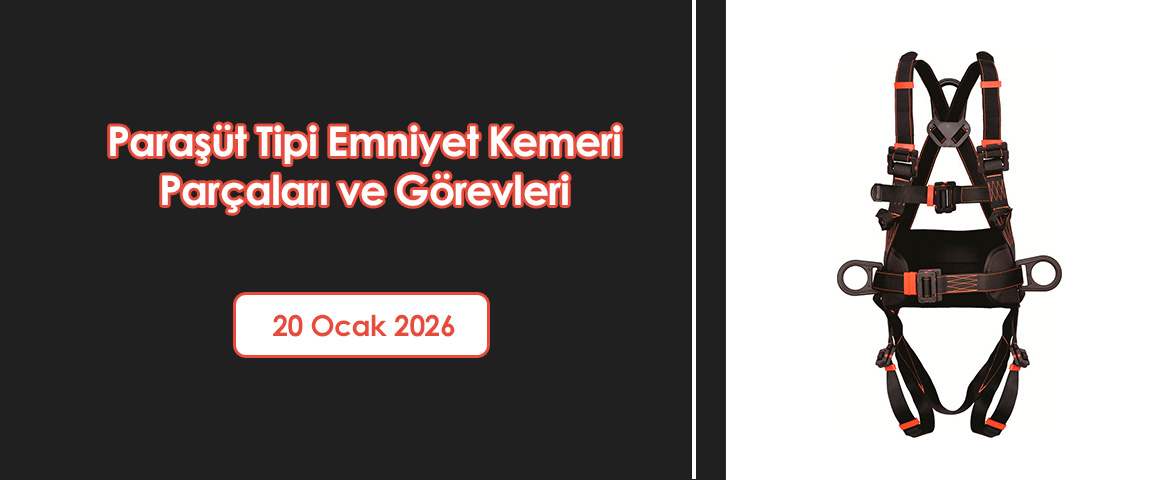
Paraşüt tipi emniyet kemeri, tam vücut düşüş durdurma sistemi olarak çalışan ve düşme anında oluşan kuvveti vücudun farklı bölgelerine dengeli biçimde dağıtan bir güvenlik ekipmanıdır. Omuz, bel ve bacaklardan vücudu sararak çalışanın kemer içinde dik pozisyonda kalmasını sağlar. Bu sayede hem ciddi yaralanmalar önlenir hem de kurtarma operasyonları daha güvenli şekilde yapılabilir.
Emniyet Kemerinin Temel Parçaları ve Görevleri
Omuz Kayışları, kemerin üst gövdeyi saran ana parçalarıdır. Düşme sırasında vücudun dik pozisyonda kalmasına yardımcı olur ve yükün gövdeye dengeli dağılmasını sağlar.
Bacak Kayışları, düşme anında vücudun aşağı doğru kaymasını engeller. Aynı zamanda ağırlığın bacaklara dağılmasına yardımcı olarak bel ve omurga üzerindeki baskıyı azaltır. Doğru ayarlanmış bacak kayışları, kemerin en kritik güvenlik unsurlarından biridir.
Bel Destek Kayışı, bazı modellerde bulunan ve özellikle uzun süreli çalışmalarda konfor sağlayan bir parçadır. Düşüş durdurmadan çok destek ve denge amaçlıdır, ancak yük dağılımına katkı sağlar.
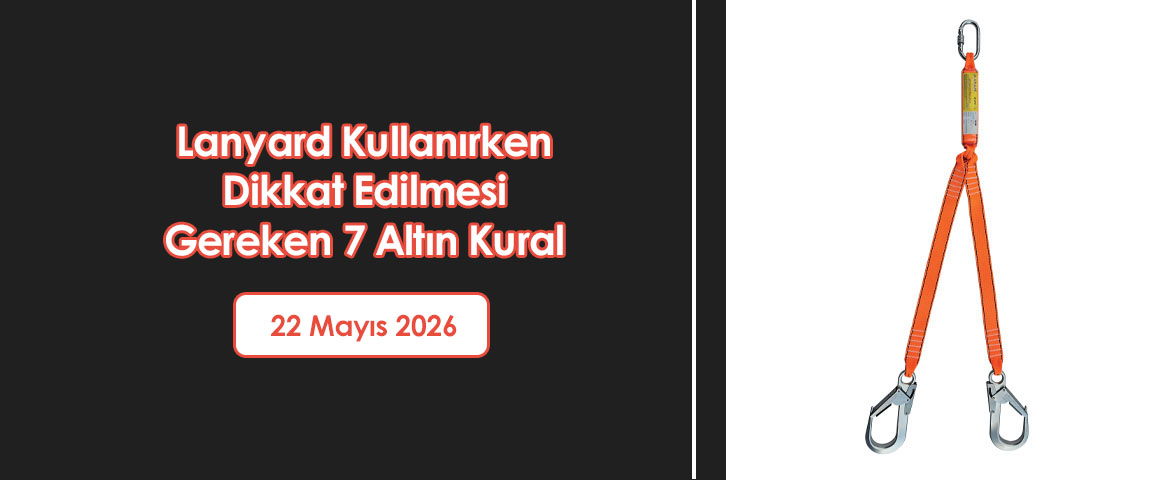
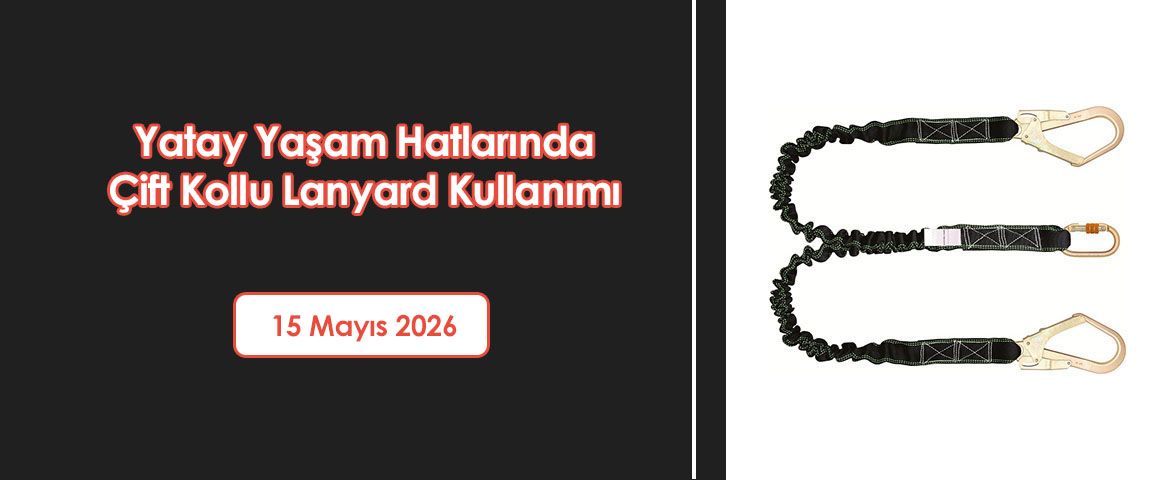
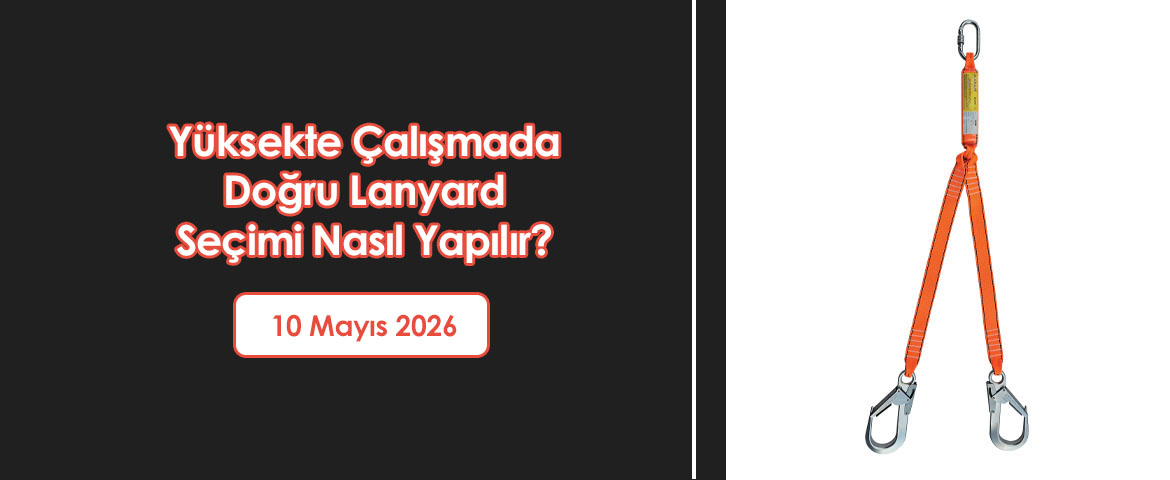
D-Ring (Bağlantı Halkası), emniyet kemerinin en önemli bileşenlerinden biridir. Genellikle sırt kısmında yer alır ve lanyard ya da düşüş durdurucu sistemin bağlandığı noktadır. Bazı kemerlerde ön, yan veya omuz D-ring’leri de bulunabilir; bunlar konumlandırma ve çalışma destek amaçlı kullanılır.
Tokalar ve Ayar Mekanizmaları, kemerin vücuda tam oturmasını sağlar. Otomatik veya manuel tokalar sayesinde kemer hızlıca giyilip çıkarılabilir ve kişiye özel ayarlama yapılabilir.
Sonuç
Paraşüt tipi emniyet kemeri, tek başına bir ürün değil; doğru kullanıldığında hayat kurtaran bir sistemdir. Omuz ve bacak kayışlarından D-ring’e kadar her parçanın belirli bir görevi vardır ve bu parçaların birlikte uyum içinde çalışması gerekir. Bu nedenle emniyet kemeri kullanmadan önce parçaların işlevlerinin bilinmesi, doğru ayarlama yapılması ve ekipmanın düzenli olarak kontrol edilmesi güvenli bir çalışma ortamı için vazgeçilmezdir.
Ekibimiz ihtiyacınıza en uygun ekipmanı önersin, hızlıca teklif verelim.