
Weekdays 08:30 – 18:00 CE Certified · Made in Türkiye
KARAM Safety
Blog 5 min read KARAM Safety

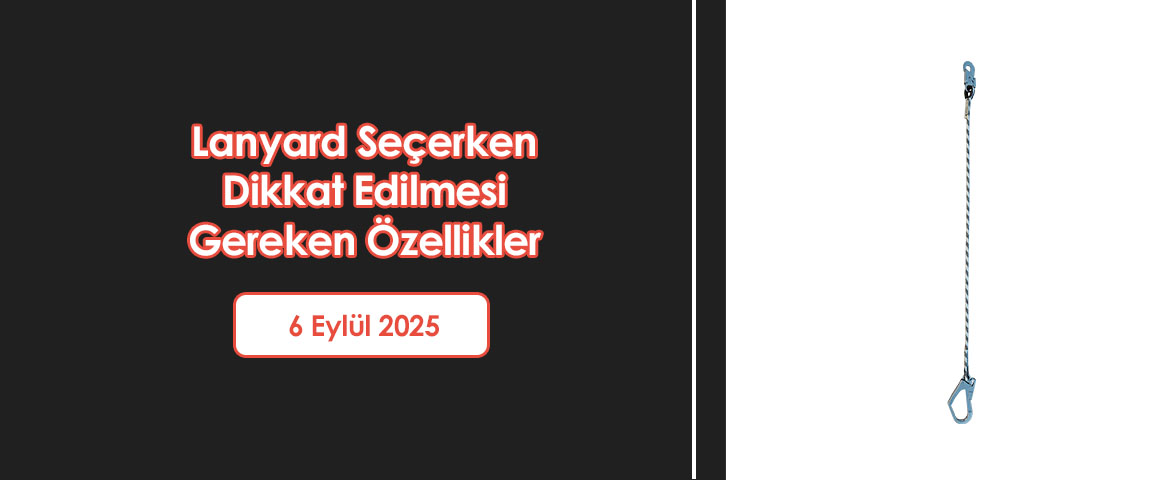
Features to Consider When Choosing a Lanyard

Features to Consider When Choosing a Lanyard
Share

The features to consider when choosing a lanyard directly affect user experience. These products are preferred for safely carrying ID cards, keys, or small accessories in daily life. Although the selection process may seem simple, it actually requires attention to many points. With the right choices, long-term comfortable use can be achieved.

The strength of the connection parts is the first priority. Metal or high-quality plastic parts provide safety. Weak materials may break quickly. The comfort of the neck area is also important. Hard and poor-quality cords may cause skin irritation. The usage area also determines the choice. While simple models are preferred in work environments, eye-catching designs may stand out at events. Ease of cleaning should not be overlooked. Washable or wipeable structures ensure hygiene.

In addition, ergonomics play a major role in the selection process. Very heavy or thick cords may make carrying difficult. If the usage period will be long, lighter structures are more suitable. Color harmony is also an impressive detail visually. In corporate areas, logo-printed or plain-colored models may be preferred. In freer environments, different patterns can attract attention.

Lanyard Material and Durability

Material choice in lanyards is the most important factor determining the usage period. These products are worn around the neck all day and are constantly in contact. A weak material causes deformation in a short time. Strong structures, however, offer safe use. Therefore, the properties of the material must always be examined in the selection process.

Cotton lanyards provide comfort with their soft structure. Since they are skin-friendly, they are comfortable for long-term use. However, they may stretch over time. Polyester is one of the most preferred materials. It is widely used due to its strong structure and easy cleanability. It is resistant to moisture and stains. Nylon materials attract attention with their light and flexible structure. They are particularly durable outdoors for long periods.

Length and Width Selection

The choice of size in lanyards directly affects ease of use. Incorrect sizes may cause discomfort. The correct length and width provide both practicality and safety. Therefore, caution must be exercised when choosing. Medium sizes are usually the most suitable for daily use. However, each user’s needs are different. After this introduction of about one hundred words, the key points can be listed. Here are the details that stand out in length and width selection:

  • Length should match the neck structure.
  • Width should be determined according to the items carried.
  • Excessively long cords may restrict movement.
  • Very narrow cords reduce durability.
  • Medium sizes are ideal for daily use.

Length selection varies according to personal preference. Some find models ending at chest level more suitable, while others prefer shorter cords. The important point is easy access to carried items. Width depends on the purpose of use. If heavy or multiple items will be carried, wider cords are safer. For light accessories, narrow models may be sufficient. Excessively long cords reduce functionality. Very narrow structures wear out easily. Medium sizes provide balance.

Types of Connections and Clips

Connection and clip types used in industry, construction, and daily life are designed for different needs. They have a wide range of applications, from mechanical parts to electrical cables, from furniture assembly to decorative uses. Each clip type is made from different materials depending on its function. Metal clips stand out for their durability. Plastic clips, on the other hand, are preferred in more delicate work due to their lightness and flexibility.

Connection types include snap-fit, screw, and clamp systems. Snap-fit systems provide advantages in areas requiring fast installation. Screw connections are preferred for strength and durability. Clamp models offer practicality in dynamic environments such as cable organization. Clips can also be designed as single-use or reusable. This makes it easier to choose depending on usage frequency.

Cable clips ensure regular fixing of lines. Pipe clips provide safe installation in piping systems. Heavy-duty clips used in construction maintain the stability of load-bearing parts. In addition, special clips used in the furniture industry provide hidden connections for aesthetic purposes.

Purpose of Use and Environmental Factors

The purpose of use is the most determining factor in choosing connection elements and clips. Durable metals are preferred for mechanical load-bearing connections. Insulated plastic clips are suitable for organizing electrical cables. In construction sites, models resistant to vibration and external factors are used.

Environmental factors also play a major role in making the right choice. In humid areas, rust-resistant products are required. In systems operating under high temperature, heat-resistant materials should be preferred. In cold environments, flexible connections that do not become brittle are important.

In open areas, parts exposed to sunlight should be UV-protected. In indoor environments, aesthetic concerns may come to the fore, in which case invisible installation clips are useful. In vibrating machinery, specially designed fasteners should be preferred to prevent loosening.

Comfort and Ergonomics

Comfort and ergonomics are two key factors in lanyard use. When it comes to long-term use in daily life or the workplace, design details are of great importance. A soft surface in contact with the neck prevents skin irritation. Breathable fabric reduces sweating and provides comfort throughout the day. Thin but strong weaves do not create a feeling of heaviness on the neck.

Weight distribution is a critical point in terms of ergonomics. Well-balanced designs do not put pressure on shoulder and neck muscles. Wide straps provide more comfortable use as they distribute the load over a larger surface. Ergonomic designs particularly support user performance in jobs involving intense movement. Simple but effective details make a difference in long-term use.

Safety Features (Breakaway, Load Capacity)

Safety features are details that cannot be overlooked when choosing a lanyard. The breakaway system opens automatically during sudden pulls or entrapments, preventing user injury. This mechanism is a great advantage, especially in crowded environments or production areas. This simple-looking detail can even be life-saving.

Load capacity is also important for safety. It is necessary to choose a model suitable for the weight of the card, key, or equipment carried. Strong weaves tested for durability provide long-lasting use. A design that does not risk overloading ensures safe use. In products with low load capacity, deformation may occur over time, creating safety risks.

When the breakaway feature is combined with ergonomic comfort, the level of safety increases. The user works safely without losing freedom of movement. This feature plays a critical role, especially in outdoor tasks or dynamic environments. Even a small breakaway mechanism can prevent serious accidents.

Get expert support to choose the right product.

Let our team recommend the best equipment for your needs and quote you quickly.

Get in Touch

WhatsApp Request a Quote