Bu Yazıda
Karabina ile ilgili yaygın hatalar ve nasıl kaçınılır konusunda yapılan hataların ve bu hatalardan nasıl kaçınılabileceği araştırılmaktadır. Karabinalar, dağcılık, tırmanış ve diğer açık hava aktivitelerinde önemli bir donanım parçasıdır. Doğru kullanıldığında, hayati bir güvenlik aracı olabilirler.
Farklı tırmanış türleri farklı karabina tipleri gerektirmektedir. Düz kapı karabinalar genellikle spor tırmanışta kullanılırken kilitleme mekanizmalı karabinalar yükseklikteki aktiviteler için daha uygun olabilir. Tırmanacağınız rotanın ve gerçekleştireceğiniz aktivitenin gereksinimlerini göz önünde bulundurarak karabina seçimi yapmalısınız. Kullanacağınız karabinanın yük taşıma kapasitesine ve kilitleme özelliklerine dikkat etmelisiniz.
Karabinanın kilidi sık sık kontrol edilmemesi, kilidin açılmasına ve ciddi güvenlik sorunlarına yol açabilir. Tırmanışa başlamadan önce ve tırmanış sırasında düzenli aralıklarla karabinanın kilidinin kapalı olduğundan emin olun. Ayrıca, kilidin hasar görmemiş ve doğru şekilde çalıştığını kontrol etmelisiniz.
Karabinayı maksimum yük kapasitesinin üzerinde kullanmak, malzemenin yorulmasına ve sonuçta başarısız olmasına neden olabilir. Her zaman karabinanın belirtilen maksimum yük kapasitesine uygun kullanım yapın. Eğer aşırı yük uygulanacaksa bu durumu destekleyebilecek daha yüksek kapasiteli bir karabina tercih edebilirsiniz.
Karabina Seçimi ve Kalite Kontrolü
Yükseklikte güvenlik, dağcılıktan inşaata, kurtarma operasyonlarına kadar birçok alanda hayati öneme sahiptir. Bu güvenliğin en önemli unsurlarından biri, hiç şüphesiz kullanılan karabinadır. Karabina, iplerin ve emniyet sistemlerinin birbirine bağlanmasında kilit bir rol oynar. Bu nedenle, doğru karabina seçimi ve sürekli kalite kontrolü, yüksek risk taşıyan bu faaliyetlerde can kaybını önlemek için şarttır.
Karabinaların düzenli olarak kontrol edilmesi, yükseklikle ilgili faaliyetlerde güvenliğin sürdürülmesi açısından kritiktir. Kalite kontrol süreci şu adımları içermelidir:
- Çatlak, deformasyon, aşırı aşınma veya korozyon gibi görsel bozukluklar kontrol edilmelidir.
- Kilitleme mekanizmalarının doğru çalıştığından emin olmak için testler yapılmalıdır.
- Karabinanın belirli kullanım süreleri veya belirli sayıda kullanımın ardından değiştirilmesi gerekir.
Karabina ile ilgili yaygın hatalar ve nasıl kaçınılır konusunda detaylı araştırmalar yaparak bu ekipmanların dikkatli şekilde kullanılması sağlanmalı. Karabinaların düzenli olarak temizlenmemesi ve bakımının yapılmaması, paslanma veya mekanik parçaların bozulmasına yol açabilir. Karabinalarınızı düzenli olarak kontrol edin ve temizleyin. Tuzlu su veya kirli ortamlarda kullanıldıktan sonra özellikle dikkatli bir şekilde temizlenmeleri gerekir. Ayrıca, hareketli parçaların yağlanması ve paslanmaya karşı korunması önemlidir.
Karabina Montajı ve Kullanımı
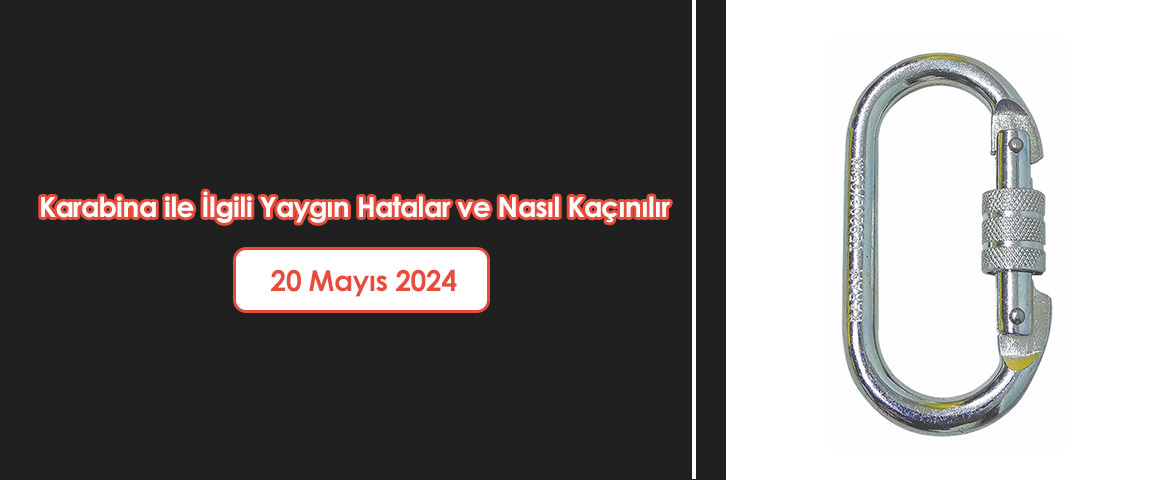
Karabina, genellikle metal alaşımlarından üretilen, yaylı bir kapı mekanizması olan bir bağlantı elemanıdır. Temel işlevi, emniyet kemeri, ip ve benzeri güvenlik ekipmanlarını birbirine güvenli bir şekilde bağlamaktır. Dağcılık, tırmanış, kurtarma ve inşaat gibi alanlarda sıklıkla kullanılır. Karabina ile ilgili yaygın hatalar ve nasıl kaçınılır ile ilgili bilgilere ulaşarak bu ekipmanları kullanmak gerekmektedir.
Karabinayı ekipmanınıza veya ipinize yanlış bağlamak, beklenmeyen yükler altında açılmasına veya düzgün çalışmamasına neden olabilir. Karabinayı her zaman talimatlarına uygun olarak bağlayın. Bağlantı yaparken, karabinanın doğru yönde olduğundan ve ipe veya diğer bağlantı noktalarına tam olarak oturduğundan emin olun.
Yüksekte yapılan işlerde ve aktivitelerde karabina seçimi, can ve mal güvenliği için kritik bir öneme sahiptir. Doğru karabina seçimi ve düzenli kalite kontrolü, bu tür faaliyetlerde güvenliği maksimize etmek için elzemdir. Bu nedenle, yüksek riskli bu faaliyetlerde güvenlik standartlarını ihmal etmemek ve her kullanım öncesi ve sonrası gerekli kontrolleri yapmak büyük önem taşımaktadır.
Karabina Bakımı ve Periyodik Kontroller
Güvenliğiniz, doğru ekipman seçimi ve bakımıyla başlar; yüksekte güvenle çalışmak ve faaliyetlerde bulunmak için bu kurallara dikkat etmek hayat kurtarır. Karabina ile ilgili yaygın hatalar ve nasıl kaçınılır konusunda çeşitli bilgiler bulunmaktadır. Bu bilgilerin yanında bu ekipmanların seçiminin doğru şekilde yapılması gerekmektedir. Karabina seçerken dikkat edilmesi gereken bazı temel özellikler şunlardır:
- Karabinanın alüminyum veya çelik gibi dayanıklı malzemelerden yapılmış olması gerekir.
- Karabinanın kilitleme mekanizması, kullanım alanına göre seçilmelidir.
- Karabinanın şekli kullanılacak yere ve amaca göre uygun olmalıdır.
- Uluslararası standartlara (örneğin UIAA, CE) uygun olmalıdır.
Karabina İle İlgili Ortak Yanılgılar ve Doğruları
Karabina, dağcılık, tırmanış, yelken, kampçılık gibi çeşitli açık hava aktivitelerinde sıkça kullanılan çok yönlü bir bağlantı aracıdır. Bu kullanışlı ekipman ile ilgili çeşitli yanılgılar bulunmaktadır. Bu yanılgılar şu şekilde sıralanabilir:
- Tüm karabinalar aynı özelliklere sahiptir yanılgısı.
- Karabinalar sınırsız ağırlık taşıyabilir.
- Karabinalar bakım gerektirmez.
- Eski karabinalar yeniler kadar güvenlidir.
- Tüm karabinalar her türlü hava şartlarında kullanılabilir.
Karabina ile ilgili yaygın hatalar ve nasıl kaçınılır konusundaki sorulara verilen cevaplara ulaşılarak en doğru kullanıma ulaşmak mümkün olmaktadır. Karabinalar, kullanıldıkları amaçlara göre farklı tasarımlarda ve malzemelerde üretilir. Her karabina, belirli bir kırılma yüküne sahiptir ve bu değer, karabina üzerinde genellikle işlenmiştir.
Karabinalar, özellikle sık kullanıldıklarında düzenli bakım gerektirir. Kum, kir ve diğer yabancı maddeler karabina mekanizmasını bozabilir. Karabinaları temizlemek ve yağlamak, performanslarını korumak ve ömürlerini uzatmak için önemlidir. Karabinalar zamanla yıpranabilir ve metal yorgunluğuna uğrayabilir. Eski veya aşırı kullanılmış karabinaların düzenli olarak kontrol edilmesi ve gerektiğinde değiştirilmesi gerekir. Bazı karabinalar, özellikle soğuk hava koşullarında kullanılmak üzere tasarlanmıştır. Soğukta metalin özellikleri değişebilir ve bazı karabinalar düşük sıcaklıklarda daha kırılgan hale gelebilir.
Karabina Test ve Sertifikasyon Süreçleri
Karabina ile ilgili yaygın hatalar ve nasıl kaçınılır sorularına detaylı cevaplar bulmak mümkün olmaktadır. Karabina test ve sertifikasyon süreçleri, bu ekipmanların en zorlu koşullar altında bile güvenliğinizi sağlamak için tasarlanmıştır.
Her şey, karabinanın üretildiği malzemelerin kalitesiyle başlar. Çoğunlukla alüminyum veya çelik kullanılan karabinanın, yüksek mukavemet ve dayanıklılık özelliklerine sahip olması gerekmektedir. Karabinanın tasarımı, maksimum güvenlik ve kullanım kolaylığı sağlayacak şekilde optimize edilmelidir.
Karabinanın uzun vadeli kullanımını simüle etmek için yorulma testleri yapılır. Bu testler, karabinanın tekrarlanan yükler altında ne kadar süre dayanıklı kalabileceğini ölçmek için tasarlanmıştır. Tüm testler tamamlandıktan sonra, karabina belirli standartlara uygunluk açısından değerlendirilir. EN 12275 ve UIAA gibi uluslararası standartlar, karabinanın güvenlik açısından yeterli olduğunu kanıtlamak için gereklidir.
Ekibimiz ihtiyacınıza en uygun ekipmanı önersin, hızlıca teklif verelim.