
Bu Yazıda
İnşaat sektöründe çalışanlar için güvenlik, hayati öneme sahiptir. Özellikle yüksekten çalışma gerektiren işlerde emniyet kemeri kullanımı, olası kazaların önüne geçmek adına vazgeçilmezdir. Ancak doğru emniyet kemerini seçmek, yalnızca bir ekipman satın almak değil; aynı zamanda hayat kurtaran bir yatırım yapmak anlamına gelir. Bu nedenle seçim sürecinde dikkat edilmesi gereken pek çok kriter bulunmaktadır.
Emniyet Kemeri Türleri
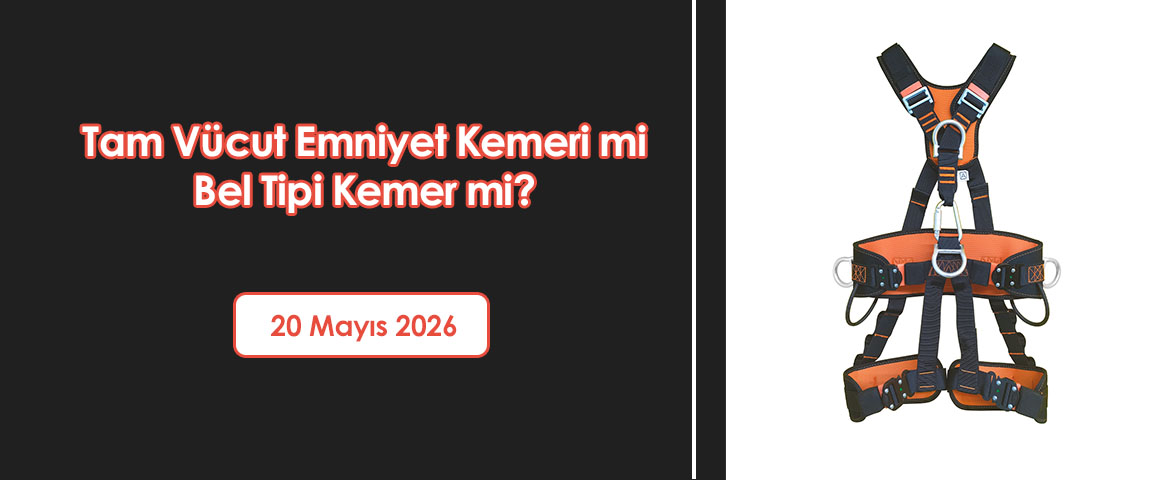
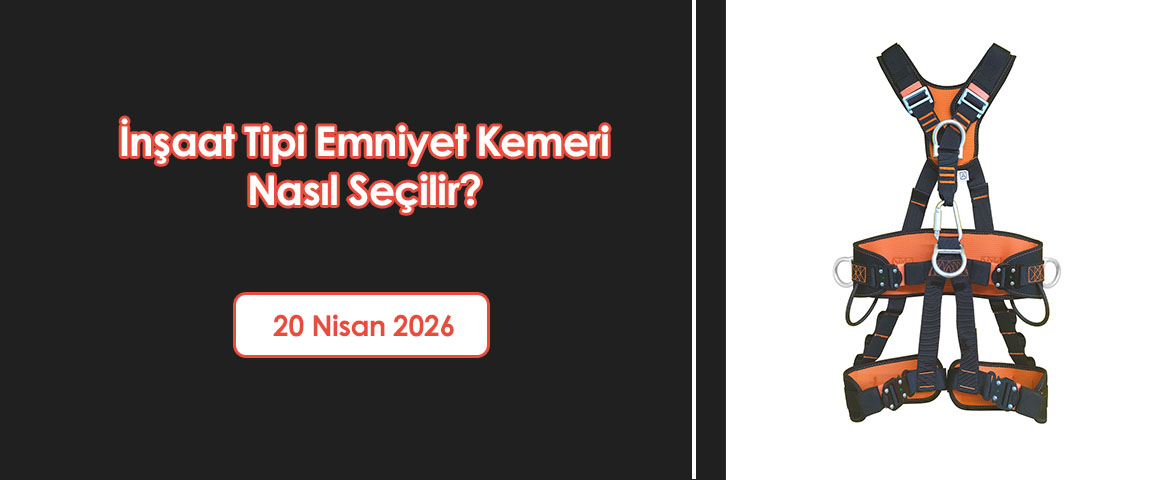
İnşaat tipi emniyet kemerleri farklı ihtiyaçlara göre çeşitlenir. En yaygın kullanılan türler tam vücut emniyet kemerleridir. Bu kemerler, düşme anında vücudun farklı noktalarına eşit yük dağılımı sağlayarak yaralanma riskini azaltır. Bel tipi kemerler ise genellikle konumlandırma amaçlıdır ve tek başına düşüş durdurma sistemi olarak kullanılmaz. Bu nedenle yüksekten çalışma gerektiren işlerde mutlaka tam vücut kemerleri tercih edilmelidir.
Standart ve Sertifikalar
Seçim yaparken ürünün uluslararası ve yerel güvenlik standartlarına uygun olması büyük önem taşır. EN 361 gibi Avrupa standartlarına uygun emniyet kemerleri, belirli testlerden geçmiş ve güvenliği kanıtlanmış ürünlerdir. Sertifikasız ürünler kısa vadede ekonomik gibi görünse de uzun vadede ciddi riskler doğurabilir. Ürünün etiket bilgileri ve sertifikaları mutlaka kontrol edilmelidir.
Kullanım Amacına Göre Seçim
Her inşaat projesi farklı riskler içerir. Bu nedenle emniyet kemeri seçerken kullanım amacı göz önünde bulundurulmalıdır. Örneğin, dikey hareketin yoğun olduğu işlerde düşüş durdurucu sistemlerle uyumlu kemerler tercih edilmelidir. Yatay çalışma alanlarında ise hareket kabiliyeti sağlayan ve ergonomik tasarıma sahip modeller öne çıkar. Ayrıca kaynak, boya veya montaj gibi özel işler için alev geciktirici ya da kimyasallara dayanıklı malzemelerden üretilmiş kemerler tercih edilmelidir.
Konfor ve Ergonomi
Uzun süreli kullanımlarda konfor, en az güvenlik kadar önemlidir. Rahatsız bir kemer, çalışanların ekipmanı doğru kullanmamasına neden olabilir. Ayarlanabilir askılar, yumuşak pedler ve nefes alabilen kumaşlar konforu artıran özellikler arasındadır. Ayrıca kemerin vücuda tam oturması, hem güvenlik hem de kullanım kolaylığı açısından kritik bir faktördür.
Bağlantı Noktaları ve Donanım
Emniyet kemerlerinin üzerinde bulunan D halkaları ve bağlantı noktaları, kullanım amacına göre değişiklik gösterir. Sırt (dorsal) bağlantı noktası genellikle düşüş durdurma için kullanılırken, ön (sternal) bağlantı noktası tırmanma sistemlerinde tercih edilir. Yan bağlantı noktaları ise konumlandırma amaçlıdır. Bu noktaların sağlamlığı ve doğru konumlandırılması, güvenliğin temel unsurlarındandır.
Dayanıklılık ve Malzeme Kalitesi
İnşaat sahaları zorlu koşullara sahiptir. Bu nedenle emniyet kemerinin dayanıklı malzemelerden üretilmiş olması gerekir. Polyester ve naylon gibi yüksek mukavemetli malzemeler, uzun ömürlü kullanım sağlar. Ayrıca dikiş kalitesi, metal parçaların paslanmaz yapıda olması ve genel işçilik detayları ürünün kalitesini belirleyen unsurlardır.
Doğru Beden Seçimi
Her çalışanın vücut yapısı farklıdır. Bu nedenle tek tip kemerler her zaman uygun olmayabilir. Ayarlanabilir modeller geniş bir kullanıcı kitlesine hitap etse de, doğru beden seçimi hem güvenlik hem de konfor açısından önemlidir. Kemerin ne çok sıkı ne de çok gevşek olması gerekir; ideal uyum, düşme anında maksimum koruma sağlar.
Fiyat ve Performans Dengesi
Emniyet kemeri seçerken yalnızca fiyat odaklı hareket etmek yanlış bir yaklaşım olabilir. Ucuz ürünler genellikle düşük kaliteye sahip olabilir ve bu da güvenliği tehlikeye atar. Bunun yerine fiyat-performans dengesi gözetilerek, hem güvenli hem de uzun ömürlü ürünler tercih edilmelidir.
Ekibimiz ihtiyacınıza en uygun ekipmanı önersin, hızlıca teklif verelim.